


PandaHomeMart
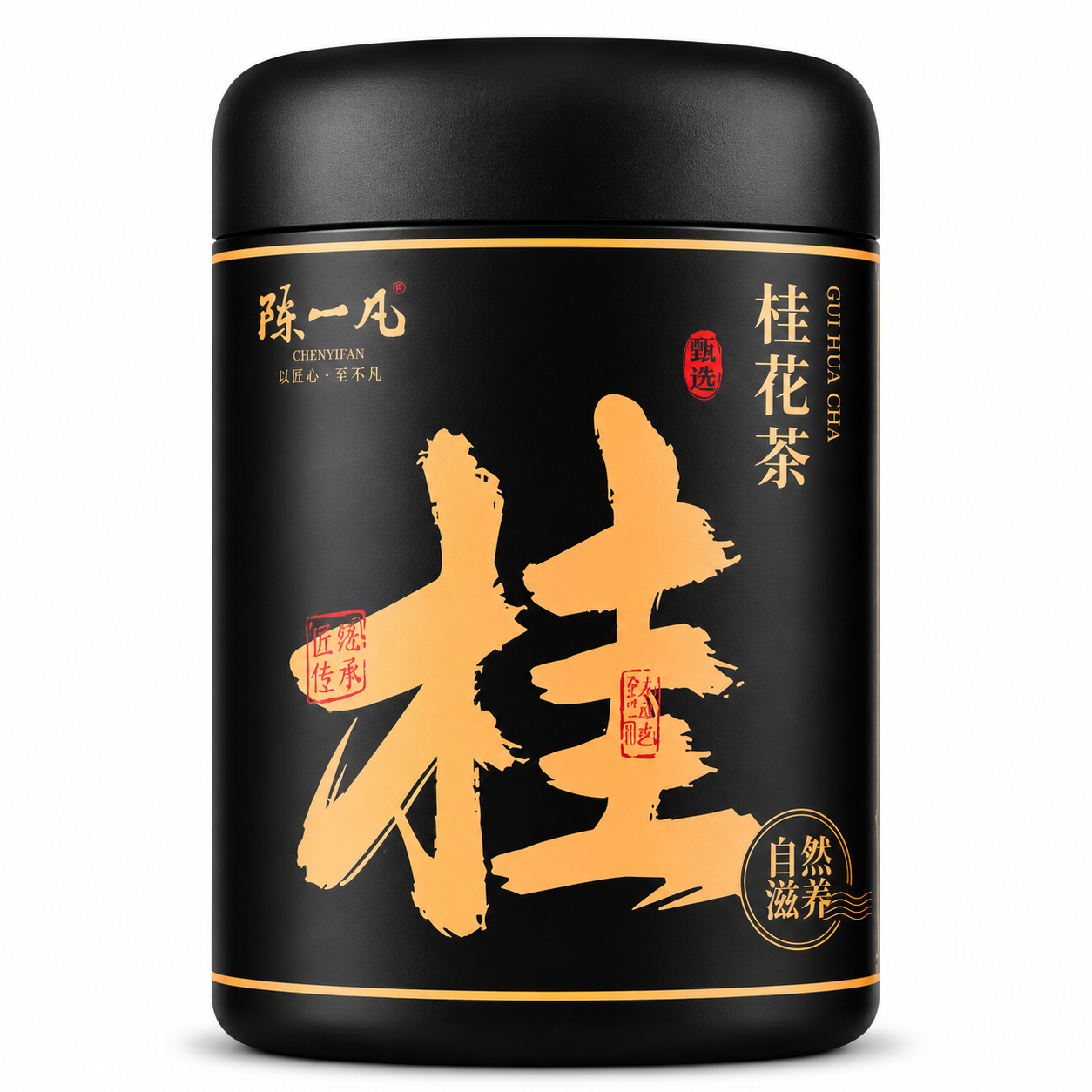
Premium Osmanthus Flower Tea — 50 g
Premium Osmanthus Flower Tea — 50 g
Couldn't load pickup availability
Premium Osmanthus Flower Tea — 50 g
Tiny golden blossoms. Sweet apricot-like fragrance. An elegant floral infusion for tea, blending and desserts.
Discover Premium Osmanthus Flower Tea (Gui Hua / 桂花), made from carefully selected golden osmanthus blossoms with a naturally sweet, distinctive floral fragrance.
Known botanically as Osmanthus fragrans, these tiny golden flowers are prized for an aroma often described as floral, apricot-like and gently honeyed.
Enjoy Osmanthus on its own as a light golden floral infusion, blend it with Green Tea, Oolong or Black Tea, or bring its delicate fragrance into chilled drinks and suitable dessert recipes.
Each container includes 50 g / 1.76 oz of 100% Osmanthus Flowers.
Why You’ll Appreciate It
-
100% Osmanthus Flowers — a simple single-ingredient floral tea
-
Naturally fragrant — sweet floral aroma with apricot-like and honey-like notes
-
Beautiful golden blossoms — tiny flowers with naturally vibrant colour
-
Light golden infusion — delicate in both appearance and flavour
-
Naturally caffeine-free when enjoyed alone — caffeine depends on any tea leaves added
-
Hot or cold — suitable for warm infusions and chilled preparations
-
Excellent for blending — especially with Green Tea, Oolong and Black Tea
-
Beyond the teacup — explore in suitable desserts, sweet soups and botanical drinks
-
Origin: China
Product at a Glance
-
Product: Premium Osmanthus Flower Tea
-
Chinese name: 桂花
-
Pinyin: Gui Hua
-
Botanical name: Osmanthus fragrans
-
Ingredient: 100% Osmanthus Flowers
-
Plant part: Flower
-
Format: Dried golden blossoms
-
Net weight: 50 g / 1.76 oz
-
Origin: China
-
Appearance: Delicate golden-yellow blossoms
-
Aroma: Sweet floral · Apricot-like · Honey-like
-
Flavour: Delicate · Fragrant · Smooth · Light
-
Infusion: Clear light golden
-
Caffeine: Naturally caffeine-free when brewed alone
-
Category: Floral Teas / Osmanthus
-
Best for: Floral infusions · Tea blending · Cold brew · Botanical drinks · Desserts
-
Packaging: Food-grade resealable container
Natural flowers may vary slightly in size, colour and appearance.
What Is Osmanthus / Gui Hua / 桂花?
Osmanthus / Gui Hua / 桂花 is a fragrant flowering botanical widely recognized for its tiny golden blossoms and distinctive sweet aroma.
Its botanical name is:
Osmanthus fragrans
The Chinese name is:
Gui Hua / 桂花
For clear product discovery:
Osmanthus Flower · Osmanthus Flower Tea · Gui Hua · 桂花 · Osmanthus fragrans
all help identify this product.
Osmanthus has a long association with Chinese tea and dessert traditions, where its fragrance can complement both tea leaves and sweet preparations.
Aroma & Flavour
Osmanthus is especially valued for its fragrance.
Its typical aromatic profile is:
Sweet Floral · Apricot-Like · Gently Honeyed · Soft · Lingering
The flavour itself is delicate rather than intense.
Expect:
Light Floral Character + Smooth Body + Sweet Aromatic Finish
It should not be expected to taste like a heavily sweetened beverage.
The naturally sweet impression comes primarily from its floral aroma.
What Does Osmanthus Tea Look Like?
The dried flowers are small and naturally golden.
When appropriately prepared, they create a:
Clear · Light Golden · Delicate Floral Infusion
The visual character is lighter than strongly coloured fruit infusions or darker roasted teas.
Natural variations in flower colour and cup intensity are normal.
How to Prepare Osmanthus Flower Tea
Hot Floral Infusion
Flowers: 2–3 g / approximately 1–2 teaspoons
Water: 250–350 ml / 8–12 oz
Temperature: 85–90°C / 185–194°F
Time: 3–5 minutes
Add the Osmanthus Flowers to clean teaware.
Pour in the hot water and allow the flowers to release their fragrance for 3–5 minutes.
Adjust the amount according to your preferred floral intensity.
The flowers may be re-steeped according to preference and product directions.
Cold Brew
Add approximately 1–2 teaspoons of Osmanthus Flowers to cold drinking water.
Refrigerate for approximately 4–6 hours, then strain if desired and serve chilled.
The result is a lighter, refreshing way to enjoy the flower's naturally fragrant character.
Naturally Caffeine-Free
Osmanthus Flowers themselves are naturally caffeine-free.
When prepared alone:
Osmanthus Flower Infusion → Naturally Caffeine-Free
When blended with:
Green Tea · Oolong · Black Tea
the finished drink will contain caffeine according to the tea leaves used.
This distinction is useful when choosing between a pure floral infusion and a tea-and-flower blend.
Best Tea Pairings
Osmanthus + Green Tea
Fresh tea character + sweet floral fragrance
Green Tea provides a clean, fresh foundation for the apricot-like aroma of Osmanthus.
Osmanthus + Oolong Tea
Layered tea aroma + golden floral character
Oolong is one of the most natural pairing directions for Osmanthus, creating a fragrant and aromatic tea experience.
Osmanthus + Black Tea
Fuller tea body + delicate floral sweetness
Black Tea provides more depth beneath the light Osmanthus fragrance.
Osmanthus + Chrysanthemum
Golden flower + golden flower
A flower-forward botanical combination with complementary visual character.
Osmanthus + Jasmine
Two distinctive floral aromas
Jasmine and Osmanthus create a more layered floral direction.
Follow preparation guidance appropriate to every ingredient being combined.
Fruit & Botanical Pairings
Osmanthus + Goji Berry
Golden blossoms + bright red berries
Goji adds gentle fruit character and visual contrast.
Osmanthus + Red Jujube
Sweet floral aroma + mellow dried fruit
Red Jujube adds a rounder dried-fruit character.
Osmanthus + Snow Pear
Delicate pear + fragrant golden flowers
A gentle fruit-and-flower direction.
Osmanthus + Dried Longan
Floral fragrance + deeper fruit sweetness
Longan provides a richer dried-fruit contrast.
Osmanthus + Lemon
Sweet floral aroma + bright citrus
Lemon adds a fresher, sharper counterpoint.
Osmanthus + Honey
Floral aroma + familiar sweetness
Honey can reinforce the naturally honey-like aromatic impression of Osmanthus in an appropriate preparation.
More Than a Floral Tea
Osmanthus is particularly versatile because its fragrance works beyond the teacup.
Depending on the recipe, explore it in:
Floral Drinks · Cold Brew · Sweet Soups · Dessert Toppings · Botanical Beverages · Tea-Based Desserts
A small amount can add visible golden flowers and distinctive fragrance without overwhelming the finished preparation.
Osmanthus vs. Jasmine
Both are fragrant floral ingredients, but their aromatic identities are different.
| Osmanthus | Jasmine | |
|---|---|---|
| Appearance | Tiny golden blossoms | Pale floral material |
| Aroma | Sweet · Apricot-like · Honey-like | Classic jasmine floral |
| Character | Warm & fruity-floral | Fresh & distinctly floral |
| Best For | Tea blending · Desserts · Floral drinks | Tea & floral preparations |
| Same Flower? | No | No |
Choose Osmanthus when you want a sweet, golden, fruit-like floral aroma.
Choose Jasmine when you want the unmistakable character of jasmine fragrance.
Osmanthus vs. Chrysanthemum
These two golden flowers also provide very different experiences.
Osmanthus
→ Tiny golden blossoms
→ Strong fragrance for their size
→ Sweet floral · Apricot-like
→ Excellent blending ingredient
Chrysanthemum
→ Larger flowers or buds
→ More visible whole-flower structure
→ Mellow floral character
→ Stronger whole-flower presentation
Choose Osmanthus when fragrance and blending versatility matter most.
Choose Chrysanthemum when the whole-flower tea experience is the priority.
A Fragrant Addition to the Floral Tea Pantry
Within PandaHomeMart's Floral Tea collection:
Rose → Soft · Rose-forward · Elegant
Chrysanthemum → Mellow · Whole-flower · Golden
Jasmine → Fresh · Highly floral
Osmanthus → Golden · Apricot-Like · Sweetly Fragrant · Blendable
This gives Osmanthus a clear role:
The tiny golden flower with a remarkably distinctive fragrance for tea blending, floral drinks and desserts.
Storage & Care
To help preserve the natural aroma and golden colour:
-
Keep the container tightly sealed
-
Store in a cool, dry place
-
Protect from moisture and humidity
-
Keep away from direct sunlight
-
Keep away from excessive heat
-
Keep away from strong odours
-
Use a clean, dry spoon or utensil
Refer to the packaging for best-before information and any additional storage directions.
Product Guidance
Premium Osmanthus Flower Tea is a floral botanical ingredient rather than conventional tea from Camellia sinensis.
When enjoyed alone, Osmanthus Flowers are naturally caffeine-free.
When combined with conventional tea leaves, the caffeine content depends on the tea used.
Always follow the final product packaging for ingredient, allergen, preparation and storage information.
If you are pregnant, breastfeeding, taking medication, managing a medical condition or are unsure whether the product is appropriate for you, consult a qualified healthcare professional before regular use.
This product is not intended to diagnose, treat, cure or prevent any disease.
Frequently Asked Questions
What is Osmanthus Flower Tea?
Osmanthus Flower Tea is a floral botanical infusion made from dried golden Osmanthus / Gui Hua / 桂花 blossoms.
What is the botanical name?
The botanical name is:
Osmanthus fragrans
What is Osmanthus called in Chinese?
It is called:
Gui Hua / 桂花
Where is this Osmanthus from?
The product's country of origin is China.
How much is included?
Each container contains 50 g / 1.76 oz of Osmanthus Flowers.
What are the ingredients?
This product contains:
100% Osmanthus Flowers
Refer to the final product packaging for complete ingredient and allergen information.
What does Osmanthus Flower Tea taste like?
It has a delicate floral character with a naturally sweet aromatic impression.
Its fragrance is commonly described as:
Sweet Floral · Apricot-Like · Honey-Like
Is Osmanthus Tea sweet?
Its aroma can seem naturally sweet, but pure Osmanthus Flower Tea does not need to be a sugary beverage.
The sweet impression comes primarily from the flower's fragrance.
What colour is the infusion?
It typically produces a clear, light golden infusion.
Does Osmanthus contain caffeine?
Osmanthus Flowers are naturally caffeine-free when brewed alone.
If combined with Green Tea, Oolong, Black Tea or another caffeinated tea, the finished drink will contain caffeine from those tea leaves.
How do I brew Osmanthus Flower Tea?
Use approximately:
2–3 g flowers · 250–350 ml water · 85–90°C · 3–5 minutes
Adjust according to preference and the final product directions.
Can Osmanthus be cold brewed?
Yes.
Add the flowers to cold water and refrigerate for approximately 4–6 hours, following the product directions.
Can Osmanthus be re-steeped?
Yes, according to preference and the product directions.
What tea pairs best with Osmanthus?
Three particularly useful directions are:
Green Tea · Oolong Tea · Black Tea
Oolong is especially well suited when you want a highly aromatic tea-and-flower pairing.
Can Osmanthus be paired with Chrysanthemum?
Yes.
The two create a golden flower-forward botanical combination.
Can Osmanthus be paired with Goji Berry or Red Jujube?
Yes.
Goji adds gentle fruit character and colour contrast, while Red Jujube contributes mellow dried-fruit sweetness.
Can Osmanthus be used in desserts?
Yes.
Depending on the recipe, Osmanthus can be used in sweet soups, dessert toppings, drinks and floral dessert preparations.
Is Osmanthus Tea real tea?
Not technically.
Osmanthus is a flower rather than Camellia sinensis. When brewed alone, it is more accurately described as a floral botanical infusion.
Who is Osmanthus Flower Tea best for?
It is especially suited to floral-tea lovers, tea blenders, Oolong and Green Tea drinkers, home café enthusiasts and people who enjoy delicate sweet floral aromas with apricot-like and honey-like notes.
Bring Golden Fragrance Into Your Tea Ritual
Tiny golden blossoms. Sweet apricot-like fragrance. A delicate light-golden cup.
Enjoy Gui Hua on its own, pair it with Green Tea, Oolong or Black Tea, combine it with Chrysanthemum, Goji Berry or Red Jujube, cold brew it for a lighter floral drink, or bring its distinctive fragrance into an appropriate dessert.
Add Premium Osmanthus Flower Tea — 50 g to your floral tea collection and discover how such tiny golden blossoms can bring remarkable fragrance to an everyday cup.
Bring Eastern Living Home.
Share


Complete Your Tea Ritual


