


PandaHomeMart
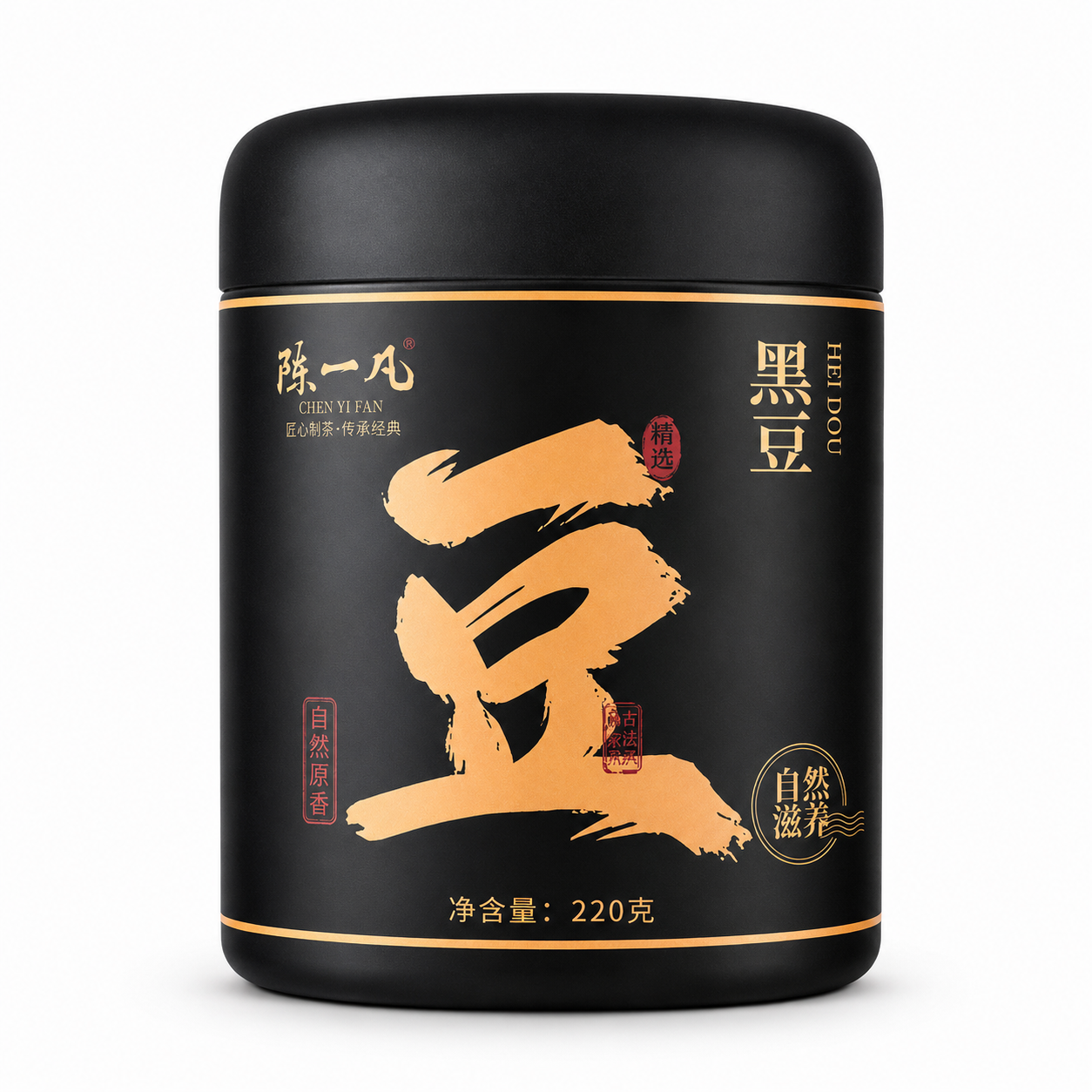
Black Beans (Hei Dou) – 350 g
Black Beans (Hei Dou) – 350 g
Couldn't load pickup availability
Black Beans (Hei Dou)™ — 350 g
Deep natural colour. Mild earthy character. A versatile whole dried bean for soups, congee and everyday cooking.
Discover Black Beans (Hei Dou / 黑豆)—whole dried beans with naturally dark skins, smooth oval shapes and a mild, earthy, bean-forward character.
Their familiar bean format makes Hei Dou easy to explore, while the naturally dark exterior gives them a distinctive place alongside Red Beans, Black Rice, Millet and other traditional Chinese pantry staples.
With 350 g / 12.35 oz of whole dried Black Beans, this practical pantry size is designed for repeated cooking. Prepare the beans thoroughly according to the package directions, then explore them in soups, congee, bean-and-grain porridges, mixed-grain dishes and other appropriate fully cooked recipes.
Why You’ll Appreciate It
-
350 g / 12.35 oz — a practical everyday pantry size for multiple cooked meals
-
Whole dried beans — presented whole rather than ground, powdered or premixed
-
Naturally dark appearance — smooth dark skins with a distinctive whole-bean form
-
Mild earthy character — mellow, versatile and bean-forward
-
Tender when properly cooked — suitable for warm and comforting dishes
-
Ideal for soups & congee — two approachable ways to explore Hei Dou
-
Bean + grain versatility — combine with compatible rice, grains or legumes in appropriate recipes
-
Traditional pantry staple — an approachable addition for home cooks exploring Chinese beans and grains
Product at a Glance
-
Product: Black Beans (Hei Dou)™
-
Chinese name: 黑豆
-
Pinyin: Hei Dou
-
Also known as: Whole Dried Black Beans · Hei Dou
-
Form: Whole dried beans
-
Net weight: 350 g / 12.35 oz
-
Appearance: Smooth, naturally dark whole beans with a pale hilum or seed scar
-
Flavour: Mild · Earthy · Mellow · Bean-forward
-
Cooked character: Tender and satisfying when properly cooked
-
Category: Dried beans / traditional Chinese pantry ingredient
-
Preparation: Cook thoroughly before serving according to package directions
-
Best for: Soups · Congee · Bean-and-grain porridges · Mixed-grain dishes · Appropriate cooked recipes
-
Packaging: Pantry package
-
Ideal for: Home cooks · Bean enthusiasts · Congee lovers · Chinese pantry exploration
-
Important: The available product information does not specify a more specific bean species or cultivar and does not identify this product as fermented black beans
Natural dried beans may vary slightly in size, shape and colour.
What Are Hei Dou / 黑豆?
Hei Dou / 黑豆 means Black Beans in Chinese.
This product contains whole dried beans with naturally dark outer skins and a familiar legume form.
They fit naturally into a traditional pantry alongside:
Red Beans · Mung Beans · Black Rice · Millet · Rice · Other Grains & Legumes
Black Beans are a bean / legume cooking ingredient.
They are not rice, conventional tea or a ready-to-eat ingredient.
For shoppers exploring Chinese pantry ingredients, the combination of the English name Black Beans and Chinese name Hei Dou / 黑豆 makes the product easier to identify across different culinary contexts.
What Does Hei Dou Mean?
In Chinese:
Hei / 黑 = Black
Dou / 豆 = Bean
Therefore:
Hei Dou / 黑豆 = Black Beans
On this product page:
Black Beans · Hei Dou · 黑豆
all refer to the whole dried beans contained in this package.
What Type of Black Bean Is This?
This product is labelled Black Beans / Hei Dou / 黑豆 and is presented as whole dried beans intended for cooking.
The available product information does not specify:
-
A botanical species
-
A specific cultivar
-
A Black Soybean identity
-
A Kidney Bean identity
-
Another specific Black Bean variety
For that reason, this product page does not assign a more specific bean identity beyond the information supplied.
Refer to the final product packaging for any additional botanical, species or variety information.
Are These Black Soybeans?
The available product information does not specify that these beans are Black Soybeans.
Hei Dou / 黑豆 is the Chinese product name provided, but that name alone should not be used to assign a specific soybean species or cultivar.
Do not assume a Black Soybean identity unless the product packaging explicitly confirms it.
Are These Fermented Black Beans?
No fermentation is stated for this product.
These are presented as whole dried Black Beans intended for cooking.
They are not described as fermented Black Beans, fermented Black Soybean seasoning or another fermented condiment.
For the most specific product identification, refer to the packaging supplied with the product.
Taste & Character
Properly cooked Black Beans offer an approachable bean character.
Flavour Character:
Mild · Earthy · Mellow · Bean-forward
Their relatively versatile flavour allows them to work alongside compatible grains, legumes and other pantry ingredients without overwhelming the final dish.
Compared with a neutral grain such as Rice, Black Beans provide a more noticeable legume character.
The exact flavour and texture may vary according to the bean, preparation method and recipe.
What Do Black Beans Look Like?
Typical characteristics include:
-
Whole oval beans
-
Naturally dark to black outer skins
-
Smooth surface
-
Pale hilum or seed scar
-
Natural variation in bean size
-
Slight variation in shape and colour
These differences are normal characteristics of whole dried beans.
Their dark exterior also creates an easy visual distinction from Red Beans and slender Black Rice grains.
How to Prepare Dried Black Beans
Dried Black Beans should be fully cooked before serving.
Because soaking and cooking requirements can vary according to the specific product and recipe, follow the preparation directions supplied on the packaging.
General Preparation Approach
-
Measure the desired amount of dried Black Beans.
-
Sort and rinse according to the package directions.
-
Soak if required by the product label or recipe.
-
Add the recommended amount of fresh water.
-
Cook thoroughly until the beans reach the appropriate tenderness.
-
Use the fully cooked beans in your chosen dish.
For the most reliable result, follow the package-specific cooking instructions rather than relying on one universal soaking time, water ratio or cooking time.
Do Black Beans Need to Be Soaked?
Soaking requirements can vary according to the specific dried bean product and recipe.
This page does not assume that every preparation requires the same soaking method.
Follow the directions on the packaging or the recipe being used.
How Long Should Black Beans Be Soaked?
This product page does not specify one universal soaking time.
Soaking duration can depend on the bean, recipe and preparation method.
Use the package-specific instructions or recipe directions rather than assuming one fixed soaking period.
Ways to Enjoy Black Beans
Properly cooked Black Beans can be incorporated into a variety of everyday dishes.
Black Bean Soup
Use fully cooked Black Beans as part of an appropriate soup recipe for a warm, comforting dish.
Black Bean Congee
Incorporate Black Beans into an appropriate rice or mixed-grain congee recipe where both the beans and grains are cooked to the correct texture.
Bean & Grain Porridge
Explore Hei Dou alongside compatible grains and legumes in suitable porridge-style preparations.
Mixed-Grain Bowls
Combine properly cooked Black Beans with Rice, Black Rice or compatible grains according to a recipe designed for the ingredients being used.
Everyday Cooked Recipes
Their mild bean character makes Black Beans adaptable to a variety of fully cooked dishes.
Always make sure the beans are thoroughly cooked before serving.
Black Beans vs. Black Rice
Their dark colours may look related, but Black Beans and Black Rice belong to completely different food categories.
Black Beans / 黑豆
-
Bean / legume
-
Whole oval form
-
Mild and earthy
-
Tender bean texture when cooked
-
Suitable for soups, congee and bean-grain dishes
Black Rice / 黑米
-
Rice grain
-
Slender grain form
-
Mild and subtly nutty
-
Tender grain texture when cooked
-
Suitable for rice bowls, congee and grain dishes
Black Beans provide a legume experience, while Black Rice provides a grain-based rice experience.
They can also appear together in appropriate mixed bean-and-grain recipes.
Black Beans vs. Red Beans
Both are dried beans, but their appearance and specific ingredient identities differ.
Black Beans
-
Dark to black exterior
-
Whole dried beans
-
Mild and earthy character
-
Deep visual contrast
Red Beans
-
Red to burgundy exterior
-
Whole dried beans
-
Flavour depends on the specific Red Bean product
-
Warm red-burgundy visual character
Choose Black Beans when you want a dark bean ingredient with mild earthy character.
Choose Red Beans when a recipe specifically calls for a Red Bean ingredient.
Because Red Bean varieties can differ, always follow the information for the specific product being used.
Best Ingredients to Pair with Black Beans
Depending on the recipe, Black Beans may be explored alongside compatible pantry ingredients.
Black Beans + Black Rice
Dark beans + dark grain
A visually distinctive combination with contrasting bean and grain textures.
Because their cooking requirements may differ, use preparation guidance suitable for both ingredients.
Black Beans + Red Beans
Two different bean colours and textures can be explored together when called for by an appropriate recipe.
Black Beans + Millet
Millet provides a much smaller grain format that can contrast with the larger whole beans in suitable porridge or grain preparations.
Black Beans + Rice
Black Beans can be paired with compatible Rice according to an appropriate recipe.
Because beans and Rice may cook at different rates, follow a recipe designed for the combination.
Black Beans + Red Jujube
Red Jujube may appear alongside Black Beans in appropriate traditional-inspired soups, porridges or other cooked recipes.
Different ingredients may require different preparation methods.
Always follow cooking guidance appropriate to the complete recipe.
A Natural Addition to the Beans & Grains Pantry
Black Beans fit naturally alongside:
Red Beans · Mung Beans · Black Rice · Millet · Rice · Seeds · Other Grains & Legumes
Within a broader cooking pantry:
Black Rice → Dark grain · Rice bowls · Congee
Black Beans → Dark legume · Soups · Congee · Bean-grain recipes
Red Beans → Red legume · Soups · Bean preparations
Millet → Small grain · Porridge · Mixed-grain recipes
Black Beans therefore fill a clear role:
A versatile whole dried legume for soups, congee and bean-and-grain cooking.
Storage & Care
Keep the package securely closed in a cool, dry place away from moisture, excessive humidity, direct sunlight, heat and strong odours.
Use a clean, dry scoop or utensil when handling the beans.
Refer to the packaging for the best-before date and any additional storage or cooking information.
Frequently Asked Questions
What are Hei Dou?
Hei Dou / 黑豆 means Black Beans in Chinese.
This product contains whole dried Black Beans intended for cooking.
How much is included?
This package contains 350 g / 12.35 oz of whole dried Black Beans.
Are these whole beans?
Yes. The product is presented as whole dried beans rather than ground, powdered or premixed.
What type of Black Bean is this?
The product is labelled Black Beans / Hei Dou / 黑豆.
The available product information does not specify a particular botanical species, cultivar or more specific bean variety.
Refer to the packaging for any additional identification information.
Are these Black Soybeans?
The available product information does not specify that these beans are Black Soybeans.
Do not assume a Black Soybean identity unless the packaging explicitly confirms it.
Are these Fermented Black Beans?
No fermentation is stated for this product.
It is presented as whole dried Black Beans intended to be fully cooked before serving, not as a fermented condiment.
Do Dried Black Beans need to be cooked?
Yes.
Cook thoroughly before serving according to the preparation instructions supplied with the product.
Can Dried Black Beans be eaten without cooking?
This product is intended for cooked preparations.
Follow the product directions and cook the beans thoroughly before serving.
Do Black Beans need to be soaked?
Soaking requirements can vary according to the product and recipe.
Follow the directions on the packaging or the recipe being used.
How long should Black Beans be soaked?
This page does not specify one universal soaking time.
Follow the product-specific directions or recipe because soaking methods can vary.
What do Black Beans taste like?
Properly cooked Black Beans generally have a mild, earthy, mellow and bean-forward character.
What texture do cooked Black Beans have?
When properly cooked, they develop a tender, satisfying bean texture.
Exact texture may depend on the product and cooking method.
Can Black Beans be used in soup?
Yes. Properly cooked Black Beans can be incorporated into appropriate soup recipes.
Can Black Beans be used in congee?
Yes. They can be incorporated into appropriate rice, grain and congee preparations.
Can Black Beans be used in porridge?
Yes. Black Beans may be explored alongside compatible grains and legumes in suitable porridge-style recipes.
Can Black Beans be cooked with Black Rice?
Yes, in an appropriate recipe.
Because Black Beans and Black Rice may require different cooking times and water quantities, follow preparation guidance designed for the combination.
Can Black Beans be cooked with Millet?
Yes, in an appropriate bean-and-grain recipe.
The ingredients may require different cooking times, so follow preparation guidance designed for the complete dish.
Can Black Beans be paired with Red Jujube?
Yes. Red Jujube may be incorporated into appropriate Black Bean soups, porridges or traditional-inspired cooked recipes.
Are Black Beans the same as Black Rice?
No.
Black Beans are beans / legumes, while Black Rice is a rice grain.
They have different forms, textures and cooking behaviour.
Is this a tea ingredient?
No.
This product is primarily a dried bean and cooking ingredient, not conventional tea.
Are Black Beans suitable for beginners?
Yes. Dried beans are a familiar pantry format, making Hei Dou relatively approachable for home cooks.
Begin with a straightforward fully cooked soup or bean-and-grain recipe and follow the product-specific preparation instructions.
Who are Black Beans best for?
They are especially suited to home cooks, bean and legume enthusiasts, congee lovers, people exploring Chinese pantry ingredients and shoppers interested in mixed-grain or bean-and-grain cooking.
Bring a Comforting Bean Tradition Home
Whole dark beans. Mild earthy character. From soups and congee to mixed-grain meals.
Cook Hei Dou thoroughly and explore them in a comforting soup. Add them to an appropriate congee or porridge recipe. Combine them with Black Rice, Millet or other compatible pantry ingredients—or keep them on hand as a versatile dried bean for everyday meals.
Choose Black Beans (Hei Dou)™ — 350 g and add to cart.
Bring Eastern Living Home.
Share


Complete Your Tea Ritual


