


PandaHomeMart
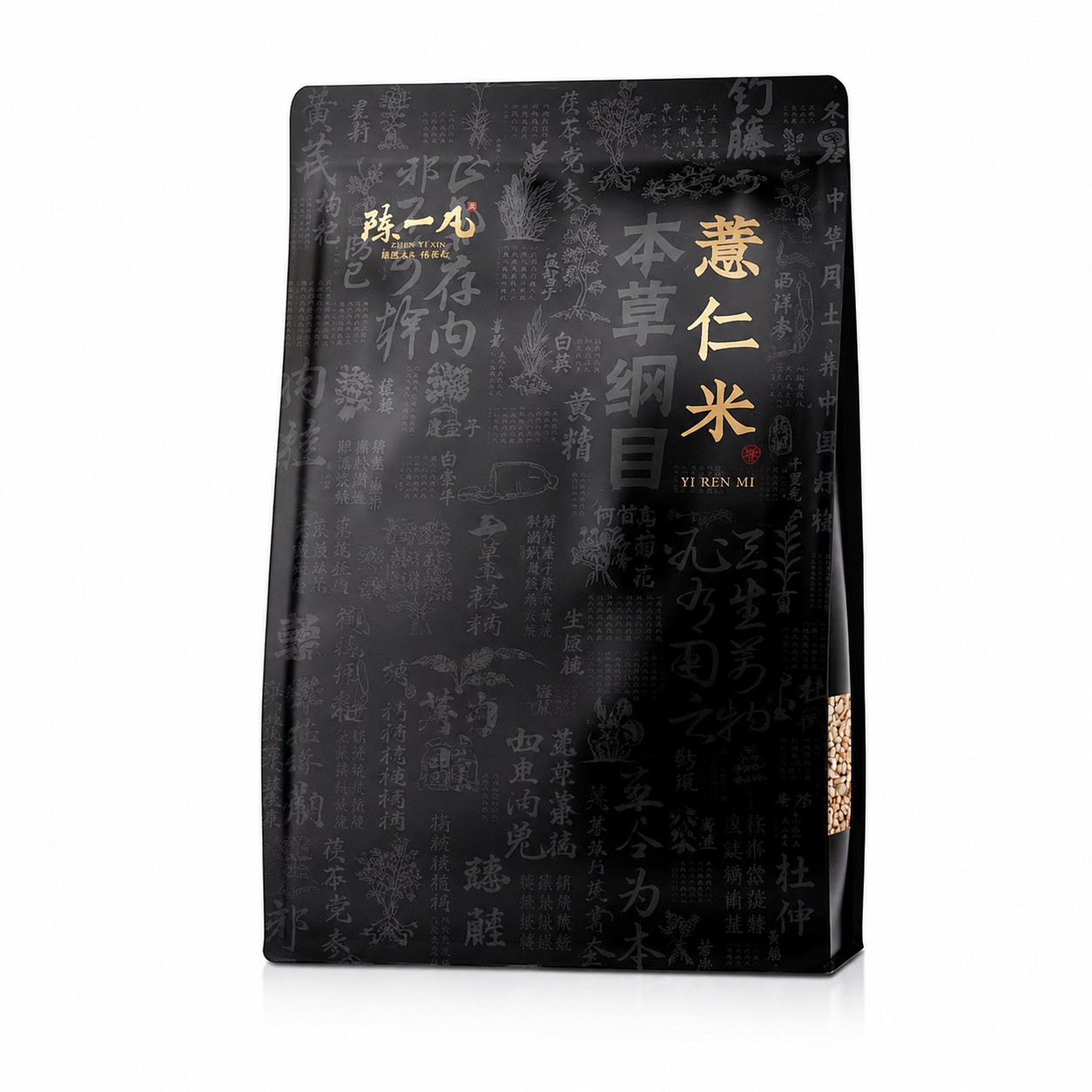
Coix Seeds (Job’s Tears / Yi Mi Ren) – 350 g
Coix Seeds (Job’s Tears / Yi Mi Ren) – 350 g
Couldn't load pickup availability
Coix Seeds (Job’s Tears / Yi Mi Ren) — 350 g
Plump ivory kernels. Mild grain character. A versatile traditional pantry ingredient for congee, soups and everyday cooking.
Discover Coix Seeds (Job’s Tears / Yi Mi Ren / 薏米仁), whole edible kernels traditionally used as a grain-like cooking ingredient in Chinese and East Asian food traditions.
With a mild, mellow and subtly nutty character, Coix works naturally in comforting congee, soups, grain porridges and mixed-grain dishes.
Each package contains 350 g / 12.35 oz of whole dried Coix kernels, providing a practical pantry quantity for repeated everyday cooking.
Also known as Job’s Tears and adlay, Coix is sometimes marketed as “Chinese pearl barley.” However, Coix is not botanically the same plant as true barley.
Why You’ll Appreciate It
-
Whole Coix kernels — plump ivory grains in their recognizable dried form
-
Mild grain character — mellow and subtly nutty
-
Versatile everyday ingredient — suitable for congee, soups, porridges and mixed-grain dishes
-
Easy to combine — works alongside compatible rice, grains, beans and seeds
-
Made for slow cooking — develops a tender, satisfying texture when properly prepared
-
Generous 350 g size — practical for multiple cooking sessions
Product at a Glance
-
Product: Coix Seeds (Job’s Tears)
-
Chinese name: 薏米仁
-
Pinyin: Yi Mi Ren
-
Also known as: Coix seed · Job’s Tears · Adlay · Adlay millet
-
Sometimes marketed as: Chinese pearl barley
-
Botanical name: Coix lacryma-jobi
-
Format: Whole dried kernels
-
Net weight: 350 g / 12.35 oz
-
Appearance: Plump ivory-to-cream kernels with natural tan or brown markings
-
Flavour: Mild · Grain-like · Mellow · Subtly nutty
-
Cooked character: Tender with a satisfying grain-like texture
-
Category: Grain-like seed / traditional Chinese pantry ingredient
-
Best for: Congee · Soups · Grain porridges · Mixed-grain dishes · Traditional-inspired recipes
-
Preparation: Cook thoroughly before serving according to package directions
-
Packaging: Pantry package
-
Important: Coix is not botanically the same plant as true barley
Natural Coix kernels may vary slightly in size, shape, colour and appearance.
What Are Coix Seeds / Job’s Tears?
Coix Seeds are edible kernels from Coix lacryma-jobi.
In Chinese pantry and recipe contexts, you may encounter:
Yi Mi / 薏米
Yi Mi Ren / 薏米仁
In English, the same ingredient may also be known as:
Coix Seeds · Job’s Tears · Adlay · Adlay Millet
These names refer to the Coix ingredient presented in this package.
For clear product identification, Coix Seeds is the primary English name, while Job’s Tears, Yi Mi Ren and Adlay provide useful alternative names.
What Do Coix Seeds Taste Like?
Coix has a relatively gentle flavour profile:
Mild · Grain-Like · Mellow · Subtly Nutty
Its understated character allows it to work alongside other grains, beans and pantry ingredients without dominating the dish.
When properly cooked, the kernels develop a tender, satisfying grain-like texture.
The final flavour and texture can vary according to cooking time, water ratio, preparation method and the other ingredients in the recipe.
How to Prepare Coix Seeds
Coix seeds should be cooked thoroughly before serving.
Because preparation requirements can vary by recipe and product, follow the cooking directions provided on the packaging.
A general preparation approach is:
-
Measure the desired amount of Coix seeds.
-
Rinse according to the package directions.
-
Soak if required by the product instructions or recipe.
-
Add the recommended amount of water.
-
Cook thoroughly until the kernels reach the appropriate tenderness.
-
Serve as part of your chosen dish.
Do not automatically prepare Yi Mi Ren using the same water ratio or cooking time as ordinary white rice.
Do Coix Seeds Need to Be Soaked?
Not necessarily.
Some recipes or product directions may call for soaking, while others may use a different preparation method.
Soak Coix only when directed by the product packaging or the recipe being followed.
Similarly, there is no single water ratio suitable for every preparation. Congee, soup, porridge and mixed-grain dishes can require very different amounts of liquid.
Ways to Enjoy
Coix Seed Congee
Yi Mi Ren is especially well suited to warm porridge-style preparations.
Cook it according to an appropriate recipe, either on its own or alongside compatible rice, grains or beans.
Soups
Coix seeds may be incorporated into suitable soups where longer cooking allows the kernels to become tender.
Mixed-Grain Dishes
Combine Coix with compatible rice or other grains according to a recipe designed for the complete mixture.
Grain Porridge
Its mild character works naturally in suitable multi-grain porridge preparations.
Traditional-Inspired Sweet Preparations
Coix may also appear in appropriate grain-based desserts and sweet recipes.
Best Ingredients to Pair with Coix Seeds
Coix + Black Rice
Plump ivory kernels + deep-coloured rice
A visually contrasting combination for suitable mixed-grain or porridge recipes.
Coix + Red or Adzuki Beans
Beans provide another texture and ingredient direction for appropriate congee and mixed preparations.
Coix + Black Beans
Black beans add deeper colour and texture contrast to suitable multi-ingredient dishes.
Coix + Millet
Millet's smaller grain form creates another texture alongside the plumper Coix kernels.
Coix + Lotus Seeds
Lotus seeds may appear alongside Yi Mi Ren in suitable traditional-inspired soups and porridges.
Coix + Red Jujube
Red jujube adds mellow dried-fruit character to appropriate Coix-based preparations.
Different grains, beans and seeds can require different cooking times, so always follow a recipe designed for the complete combination.
Coix Seeds vs. Pearl Barley
Coix is sometimes marketed in English as Chinese pearl barley, which can create confusion.
They are not botanically the same ingredient.
| Coix Seeds / Job’s Tears | Pearl Barley | |
|---|---|---|
| Chinese Name | 薏米 / 薏米仁 | 大麦 / 珍珠大麦 |
| Plant | Coix lacryma-jobi | Hordeum vulgare |
| Appearance | Plump ivory kernels | Pale elongated grains |
| Flavour | Mild and subtly nutty | Mild and grain-forward |
| Ingredient Identity | Coix / Job’s Tears / Adlay | Barley |
| Same Ingredient? | No | No |
For accurate identification, look for:
Coix Seeds · Job’s Tears · Yi Mi Ren · Adlay
rather than relying only on the potentially confusing term “Chinese pearl barley.”
Coix Seeds vs. Rice
Coix and rice can both appear in grain-based meals, but they are different ingredients.
Coix Seeds
Coix lacryma-jobi · Plump ivory kernels · Congee · Soups · Mixed grains
Rice
Rice grain · Varies by variety · Rice bowls · Congee · Mixed dishes
Coix is not a type of rice.
When combining Coix with rice, use a recipe designed for both ingredients because their cooking times and water requirements may differ.
A Natural Addition to the Wholesome Grains Pantry
Coix Seeds fit naturally alongside:
Black Rice · Millet · Rice · Red Beans · Adzuki Beans · Black Beans · Lotus Seeds · Mixed Grains
Within a varied pantry:
Black Rice → Deep colour · Rice bowls · Congee
Coix Seeds → Plump ivory kernels · Congee · Soups · Mixed grains
Millet → Small grain · Porridge preparations
Beans → Texture and variety in mixed preparations
Coix fills a clear everyday role: a versatile grain-like cooking ingredient for comforting congee, soups and mixed-grain meals.
Storage & Care
Keep the package securely closed in a cool, dry place away from moisture, excessive humidity, direct sunlight, heat and strong odours.
Use clean, dry utensils when handling the kernels.
Refer to the product packaging for best-before information and any additional storage or cooking directions.
Product Guidance
Coix Seeds are a food ingredient intended to be properly cooked before serving.
Follow the preparation directions provided on the packaging or an appropriate recipe.
If you have food allergies, dietary concerns or questions about whether the ingredient is appropriate for you, review the final product label and consult an appropriate qualified professional when necessary.
Frequently Asked Questions
What are Coix Seeds?
Coix Seeds are edible kernels from Coix lacryma-jobi.
They are commonly known as Job’s Tears, Adlay, Yi Mi / 薏米 or Yi Mi Ren / 薏米仁.
What does Yi Mi Ren mean?
Yi Mi Ren / 薏米仁 is the Chinese name used for the edible Coix kernels in this product.
How much is included?
Each package contains 350 g / 12.35 oz of whole dried Coix kernels.
Are Coix Seeds the same as Job’s Tears?
Job’s Tears is a common English name associated with Coix lacryma-jobi.
In the context of this product, Coix Seeds and Job’s Tears refer to the same ingredient.
What is Adlay?
Adlay is another common English name for edible Coix.
Is Yi Mi Ren the same as pearl barley?
No.
Coix and true barley are botanically different plants, even though Coix is sometimes marketed as “Chinese pearl barley.”
Is Chinese pearl barley actually barley?
Not when the term is being used for Coix.
This product is Coix lacryma-jobi, not ordinary pearl barley from Hordeum vulgare.
Are Coix Seeds rice?
No. Coix and rice are different ingredients, although both may appear in grain-based dishes.
What do Coix Seeds taste like?
They have a mild, grain-like, mellow and subtly nutty character.
What texture do cooked Coix Seeds have?
When properly cooked, the kernels develop a tender, satisfying grain-like texture.
Do Coix Seeds need to be cooked?
Yes.
Cook Coix Seeds thoroughly before serving according to the package directions or appropriate recipe.
Do Coix Seeds need to be soaked?
Not always.
Soak them if directed by the product packaging or the recipe being followed.
Can Coix Seeds be used for congee?
Yes. Their mild flavour and cooked grain-like texture make them particularly suitable for appropriate congee and grain-porridge recipes.
Can Coix Seeds be used in soup?
Yes. They may be incorporated into suitable soup recipes alongside compatible grains, beans or other pantry ingredients.
Can Coix Seeds be mixed with rice or black rice?
Yes, in suitable mixed-grain recipes.
Because the ingredients may require different cooking times and water ratios, follow a recipe designed for the combination.
Who are Coix Seeds best for?
They are especially suited to home cooks, grain enthusiasts, congee lovers and people exploring traditional Chinese grains, beans and everyday pantry ingredients.
Bring a Comforting Grain Tradition Home
Plump ivory kernels. Mild, subtly nutty character. From congee and soups to mixed-grain meals.
Cook Yi Mi Ren into a comforting congee, add it to a suitable soup, combine it with rice, black rice, beans, millet or lotus seeds, or keep it on hand as a versatile grain-like pantry ingredient.
Add Coix Seeds (Job’s Tears / Yi Mi Ren) — 350 g to your pantry and bring a traditional grain-like ingredient into everyday cooking.
Bring Eastern Living Home.
Share



Complete Your Tea Ritual


