


PandaHomeMart
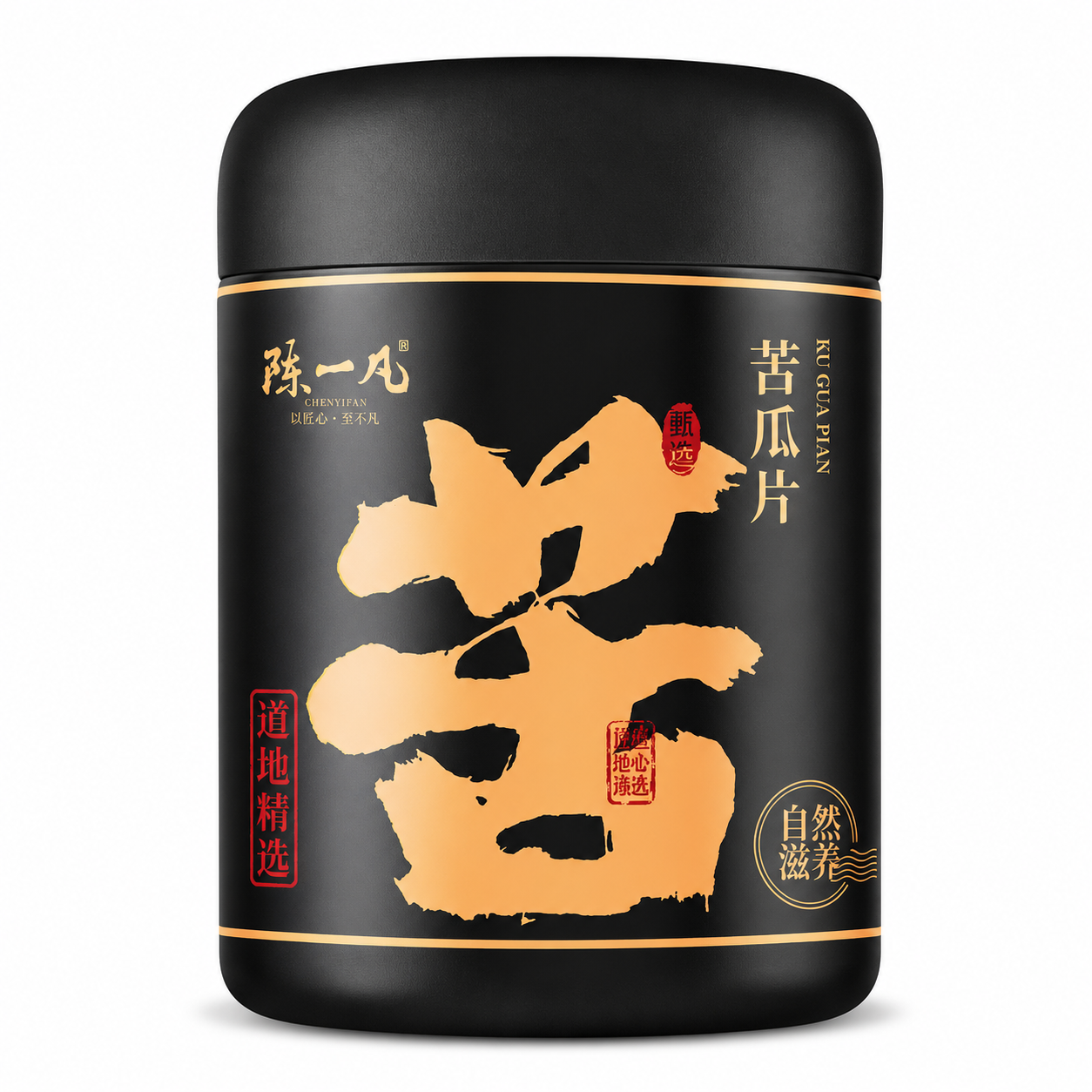
Dried Bitter Melon Slices (Ku Gua Pian) – 30 g
Dried Bitter Melon Slices (Ku Gua Pian) – 30 g
Couldn't load pickup availability
Dried Bitter Melon Slices (Ku Gua Pian)™ — 30 g
Distinctive cross-cut rings. Clean vegetal character. A naturally bold and bitter botanical fruit for carefully prepared infusions and pairings.
Discover Dried Bitter Melon Slices (Ku Gua Pian / 苦瓜片)—dried cross-cut pieces of Bitter Melon with naturally ridged green edges, pale centers and the unmistakable bitterness that gives the fruit its name.
With a net weight of 30 g / 1.06 oz, these lightweight dried slices offer a compact way to explore one of the boldest flavour profiles in the botanical pantry.
Their defining sensory character is:
Pronounced Bitter · Vegetal · Green · Clean
When prepared according to the product directions, the slices can produce a clear pale yellow-to-yellow-green botanical infusion with a clean vegetal aroma and pronounced bitter finish.
This is not a sweet fruit infusion.
For shoppers who intentionally enjoy unsweetened, vegetal and naturally bitter botanical flavours, Ku Gua Pian offers a distinctly different experience.
Why You’ll Appreciate It
-
30 g / 1.06 oz — a compact size for focused botanical exploration
-
Real Bitter Melon fruit — dried cross-cut pieces rather than powder or a premixed blend
-
Distinctive ring shape — naturally ridged green edges surrounding pale centers
-
Pronounced natural bitterness — the defining sensory characteristic of the ingredient
-
Clean vegetal profile — green, botanical and unsweetened
-
Pale botanical infusion — may produce clear pale yellow to yellow-green tones
-
Visible fruit structure — the natural Bitter Melon cross-section remains easy to identify
-
Distinctive pairing possibilities — explore with Green Tea, Chrysanthemum, Goji Berry or Monk Fruit in appropriate recipes
Product at a Glance
-
Product: Dried Bitter Melon Slices (Ku Gua Pian)™
-
Chinese name: 苦瓜片
-
Pinyin: Ku Gua Pian
-
Root ingredient name: Ku Gua / 苦瓜
-
Also known as: Dried Bitter Gourd Slices · Dried Bitter Melon
-
Botanical name: Momordica charantia
-
Form: Dried cross-cut fruit slices
-
Net weight: 30 g / 1.06 oz
-
Appearance: Pale green to cream-coloured rings with naturally ridged green edges
-
Flavour: Pronounced bitter · Vegetal · Green · Clean
-
Infusion character: Clear pale yellow · Yellow-green · Light green
-
Category: Dried botanical fruit / botanical infusion ingredient
-
Best for: Botanical preparations · Bitter-flavour exploration · Appropriate ingredient pairings
-
Preparation: Follow product-specific serving and preparation directions
-
Tea leaves: Contains no Camellia sinensis tea leaves
-
Ideal for: Shoppers who specifically enjoy distinctive bitter and unsweetened botanical flavours
-
Format advantage: Visible cross-cut fruit rings rather than powder
-
Important distinction: Bitter Melon is also commonly called Bitter Gourd
-
Flavour notice: This ingredient is naturally and noticeably bitter
Natural dried slices may vary slightly in diameter, thickness, shape and green-to-cream colour.
What Is Bitter Melon / Ku Gua?
Bitter Melon / Ku Gua / 苦瓜 is a distinctive ridged fruit widely recognized for its pronounced natural bitterness.
Its botanical name is:
Momordica charantia
It is also widely known in English as:
Bitter Gourd
For clear product identification:
Bitter Melon / Bitter Gourd / Ku Gua / 苦瓜
= the fruit
Dried Bitter Melon Slices / Ku Gua Pian / 苦瓜片
= this sliced dried product
This naming structure helps identify the ingredient accurately across English, pinyin, Chinese and botanical searches.
What Does Ku Gua Pian Mean?
The Chinese product name directly describes the ingredient and its format:
Ku Gua / 苦瓜 = Bitter Melon
Pian / 片 = Slices
Therefore:
Ku Gua Pian / 苦瓜片 = Bitter Melon Slices
Is Bitter Melon the Same as Bitter Gourd?
Yes.
Bitter Melon and Bitter Gourd are common English names for Momordica charantia.
On this product page:
Bitter Melon · Bitter Gourd · Ku Gua / 苦瓜
refer to the same fruit identity.
Distinctive Cross-Cut Rings
Bitter Melon has one of the most recognizable physical forms in the botanical pantry.
When the naturally ridged fruit is sliced across its width and dried, it creates distinctive irregular rings with:
-
Naturally ridged green edges
-
Pale green-to-cream centers
-
Irregular circular shapes
-
Visible fruit structure
-
Lightweight dried texture
-
Natural variation in diameter and thickness
The cross-cut ring format gives Ku Gua Pian an immediately recognizable visual identity.
Taste & Character
Bitterness is not a flaw in this ingredient.
It is one of Bitter Melon's defining sensory characteristics.
Flavour Character:
Pronounced Bitter · Vegetal · Green · Clean
Compared with other botanical ingredients:
Monk Fruit → Pronounced sweet
Red Jujube → Mellow sweet
Goji Berry → Gently sweet & fruity
Ginger → Warm & spicy
Chrysanthemum → Floral & aromatic
Bitter Melon → Pronounced bitter & vegetal
Customers expecting a sweet, fruity or mellow botanical cup should choose a different ingredient.
Ku Gua Pian is particularly suited to shoppers who actively enjoy bitter botanical flavours.
Is Bitter Melon Really Bitter?
Yes.
Pronounced natural bitterness is one of Bitter Melon's defining characteristics.
The bitterness is pronounced rather than subtle.
Its exact intensity can vary according to:
-
Amount used
-
Water volume
-
Water temperature
-
Preparation duration
-
Natural variation in the fruit
Preparation strength can significantly affect the final cup, so follow the product-specific directions rather than automatically increasing the quantity or preparation time.
What Does Bitter Melon Infusion Look Like?
Depending on preparation conditions, Dried Bitter Melon Slices can produce a:
Clear Pale Yellow → Yellow-Green → Light Green
botanical infusion.
The exact shade may vary according to:
-
Amount used
-
Water volume
-
Water temperature
-
Preparation duration
-
Natural variation in the dried fruit
Colour variation between preparations is normal.
How to Prepare Dried Bitter Melon Slices
Bitter Melon is a botanical fruit ingredient rather than conventional loose-leaf tea.
Follow the product-specific preparation directions.
01 · Check
Read the recommended serving amount on the product label.
02 · Measure
Use only the directed quantity.
03 · Prepare
Place the Bitter Melon Slices in clean teaware or another suitable preparation vessel.
04 · Add Water
Use fresh drinking water at the temperature specified for the product.
05 · Prepare as Directed
Follow the recommended preparation duration.
06 · Strain if Appropriate
Strain according to the preparation method being used.
07 · Enjoy
Experience the ingredient's naturally bitter, vegetal character.
Because preparation strength can significantly affect bitterness, avoid automatically increasing the amount or preparation time.
Is Bitter Melon Tea Actually Tea?
Not technically.
Traditional:
Green Tea · White Tea · Oolong · Black Tea · Pu-erh
comes from:
Camellia sinensis
Bitter Melon is a fruit.
When prepared by itself in water, it is more accurately described as:
Bitter Melon Infusion
or:
Botanical Fruit Infusion
However, shoppers commonly search for:
Bitter Melon Tea · Bitter Gourd Tea · Ku Gua Tea · 苦瓜茶
These search terms are useful for product discovery while the page maintains accurate ingredient classification.
Bitter Melon vs. Monk Fruit
Despite both being fruit-based botanical ingredients, their flavour profiles are almost complete opposites.
Bitter Melon / 苦瓜
-
Pronounced bitter
-
Green and vegetal
-
Cross-cut dried slices
-
Pale yellow-green infusion
-
Best for shoppers intentionally exploring bitter flavours
Monk Fruit / 罗汉果
-
Pronounced natural sweetness
-
Fruity and mellow
-
Dried fruit format
-
Golden-to-amber preparation
-
Best for naturally sweet botanical preparations
The easiest way to remember the difference:
Bitter Melon → Bitter
Monk Fruit → Sweet
Neither is universally better—they offer almost opposite flavour experiences.
Which Should You Choose: Bitter Melon or Monk Fruit?
Choose Bitter Melon if you prefer:
-
Pronounced natural bitterness
-
Green and vegetal character
-
Unsweetened botanical flavours
-
Pale yellow-green infusions
-
Distinctive cross-cut fruit slices
Choose Monk Fruit if you prefer:
-
Pronounced natural sweetness
-
Fruity and mellow character
-
Golden-to-amber preparations
-
A naturally sweet botanical-fruit direction
Bitter Melon vs. Lotus Seed Hearts
Both ingredients can provide pronounced bitterness, but they are completely different botanicals.
Bitter Melon
-
Fruit
-
Pale-green cross-cut rings
-
Green and vegetal
-
Clean natural bitterness
-
Fruit-based botanical character
Lotus Seed Hearts
-
Inner green germ of the Lotus Seed
-
Small slender green pieces
-
Distinctive botanical bitterness
-
Completely different ingredient identity
For shoppers exploring bitter ingredients, these provide two very different experiences.
Bitter Melon vs. Dandelion Root
Bitter Melon and Dandelion Root offer different styles of bitterness.
Bitter Melon
-
Fruit
-
Green-edged cross-cut rings
-
Green · Vegetal · Clean
-
Pale yellow-green preparation
Dandelion Root
-
Root
-
Brown root pieces
-
Earthy · Root-like · Deeper
-
Golden to deeper amber preparation
Choose Bitter Melon for a greener, more vegetal bitter profile.
Choose Dandelion Root for a deeper, earthier root character.
Explore Three Styles of Botanical Bitterness
Not every bitter ingredient tastes the same.
Bitter Melon
Green · Vegetal · Clean · Pronounced Bitter
A fruit-based bitterness with a fresh botanical direction.
Lotus Seed Hearts
Distinct · Botanical · Intensely Bitter
A small seed-germ ingredient with its own recognizable bitter character.
Dandelion Root
Earthy · Root-Like · Deeper Bitter
A root-based bitterness with a darker, more grounded sensory profile.
This gives shoppers three different ways to explore botanical bitterness without treating the ingredients as interchangeable.
Best Pairing Directions for Bitter Melon
Because Ku Gua Pian is naturally bitter, compatible ingredients can create very different flavour directions.
Bitter Melon + Green Tea
Vegetal fruit + fresh tea character
Green Tea creates a distinctly green and unsweetened pairing direction.
Bitter Melon + Chrysanthemum
Pronounced bitterness + floral aroma
Chrysanthemum provides a floral contrast to Bitter Melon's vegetal character.
Bitter Melon + Goji Berry
Bitter fruit + gently fruity berry
Goji provides a softer fruit element alongside the pronounced bitterness.
Bitter Melon + Monk Fruit
Bitter fruit + naturally sweet fruit
These two ingredients create a strong sweet-and-bitter contrast.
The combination should not be assumed to eliminate Bitter Melon's bitterness entirely.
Always follow preparation guidance appropriate to every ingredient being combined.
A Bold Addition to the Botanical Pantry
Dried Bitter Melon Slices fit naturally alongside:
Lotus Seed Hearts · Dandelion Root · Monk Fruit · Goji Berries · Chrysanthemum · Green Tea · Other Botanical Ingredients
Within a flavour-driven botanical pantry:
Monk Fruit → Pronounced sweet
Red Jujube → Mellow sweet
Goji Berry → Gently sweet
Bitter Melon → Pronounced bitter · Green · Vegetal
This gives Ku Gua Pian a very clear role:
The bold bitter-fruit choice for shoppers who intentionally enjoy unsweetened botanical flavours.
For PandaHomeMart, the strongest collection placement is:
Healing Botanicals → Fruits
It can also connect naturally with:
Botanical Ingredient Library · Tea Flavor Matching · Recipes & Pairings
Important Product Guidance
Bitter Melon is a food and botanical fruit ingredient, not conventional tea.
For this product:
-
Follow the serving amount provided on the product label
-
Follow all product-specific preparation directions
-
Follow all warnings and usage information printed on the packaging
-
Do not automatically apply conventional loose-leaf tea parameters
-
Do not automatically increase the amount or preparation duration because stronger preparation can intensify bitterness
-
Do not assume Bitter Melon is interchangeable with Monk Fruit, Lotus Seed Hearts, Dandelion Root or other botanical ingredients
-
When combining Bitter Melon with tea or botanicals, follow preparation guidance appropriate to every ingredient being used
This page intentionally focuses on:
Ingredient Identity · Natural Bitterness · Appearance · Infusion Character · Preparation · Pairings · Product Comparison
rather than assigning blood-sugar, diabetes, weight-management, detoxification or other treatment outcomes to the product.
Storage & Care
Keep the container securely closed in a cool, dry place away from moisture, excessive humidity, direct sunlight, heat and strong odours.
Use clean, dry utensils when handling the slices.
Refer to the product label for the best-before date and any additional serving, preparation or storage information.
Frequently Asked Questions
What are Dried Bitter Melon Slices?
Dried Bitter Melon Slices are cross-cut pieces of Bitter Melon fruit, known in Chinese as Ku Gua Pian / 苦瓜片.
What is Ku Gua?
Ku Gua / 苦瓜 is the Chinese name for Bitter Melon.
What does Ku Gua Pian mean?
Ku Gua / 苦瓜 means Bitter Melon.
Pian / 片 means slices.
Together:
Ku Gua Pian / 苦瓜片 = Bitter Melon Slices
How much is included?
This package contains 30 g / 1.06 oz of Dried Bitter Melon Slices.
What is the botanical name of Bitter Melon?
The botanical name is Momordica charantia.
Is Bitter Melon the same as Bitter Gourd?
Yes.
Bitter Melon and Bitter Gourd are common English names used for Momordica charantia.
What do Dried Bitter Melon Slices taste like?
They have a:
Pronounced Bitter · Vegetal · Green · Clean
botanical character.
Is Bitter Melon really bitter?
Yes.
Pronounced natural bitterness is one of Bitter Melon's defining sensory characteristics.
Is the bitterness normal?
Yes.
The bitterness is an expected characteristic of Bitter Melon and should not be interpreted as a product defect.
How bitter is Bitter Melon?
The bitterness is pronounced rather than subtle.
Exact intensity depends on the amount used and preparation conditions.
Follow the product-specific directions rather than automatically increasing the quantity or preparation time.
What do Dried Bitter Melon Slices look like?
They are recognizable by their cross-cut ring shape, naturally ridged green edges and pale green-to-cream centers.
What colour is a Bitter Melon infusion?
Depending on preparation, it may appear:
Clear Pale Yellow · Yellow-Green · Light Green
The exact shade may vary naturally.
Is Bitter Melon Tea actually tea?
No, not technically.
Bitter Melon is a fruit rather than leaves from Camellia sinensis.
A preparation made only from Bitter Melon and water is more accurately described as a Bitter Melon Infusion or Botanical Fruit Infusion.
Can Bitter Melon be brewed like tea?
Do not automatically use conventional loose-leaf tea parameters.
Follow the serving amount, water temperature and preparation duration specified for the product.
How much Bitter Melon should I use?
Use the serving amount specified on the product label.
This page does not assign an independent universal serving quantity.
Can Bitter Melon be paired with Green Tea?
Yes, in an appropriate recipe.
Green Tea provides a fresh tea character alongside Bitter Melon's pronounced vegetal bitterness.
Can Bitter Melon be paired with Chrysanthemum?
Yes.
Chrysanthemum contributes floral aroma alongside Bitter Melon's green and bitter character.
Can Bitter Melon be paired with Goji Berry?
Yes.
Goji Berry provides a gentler fruity element alongside Bitter Melon's pronounced bitterness.
Can Bitter Melon be paired with Monk Fruit?
Yes, in an appropriate recipe.
Monk Fruit contributes pronounced natural sweetness, creating a strong sweet-and-bitter contrast.
The combination should not be assumed to eliminate Bitter Melon's bitterness entirely.
What pairs well with Bitter Melon?
Depending on the recipe, relevant flavour-based pairings include:
Green Tea · Chrysanthemum · Goji Berry · Monk Fruit
Is Bitter Melon the same as Monk Fruit?
No.
They are completely different fruits with almost opposite sensory profiles:
Bitter Melon → Pronounced bitter · Green · Vegetal
Monk Fruit → Pronounced sweet · Fruity · Mellow
Is Bitter Melon the same as Lotus Seed Hearts?
No.
Bitter Melon is a fruit, while Lotus Seed Hearts are the small green germ inside Lotus Seeds.
Both can be bitter, but they are completely different botanical ingredients.
Is Bitter Melon the same as Dandelion Root?
No.
Bitter Melon offers:
Green · Vegetal · Clean Bitterness
Dandelion Root offers:
Earthy · Root-Like · Deeper Bitterness
Are Dried Bitter Melon Slices sweet?
No.
This product should not be purchased with the expectation of a sweet fruit flavour.
Its defining sensory characteristic
Share


Complete Your Tea Ritual


