


PandaHomeMart
Eucommia Bark (Du Zhong) – 70 g
Eucommia Bark (Du Zhong) – 70 g
Couldn't load pickup availability
Eucommia Bark (Du Zhong)™ — 70 g
Natural woody bark. Fine elastic threads. A distinctive traditional Chinese botanical ingredient with an earthy character.
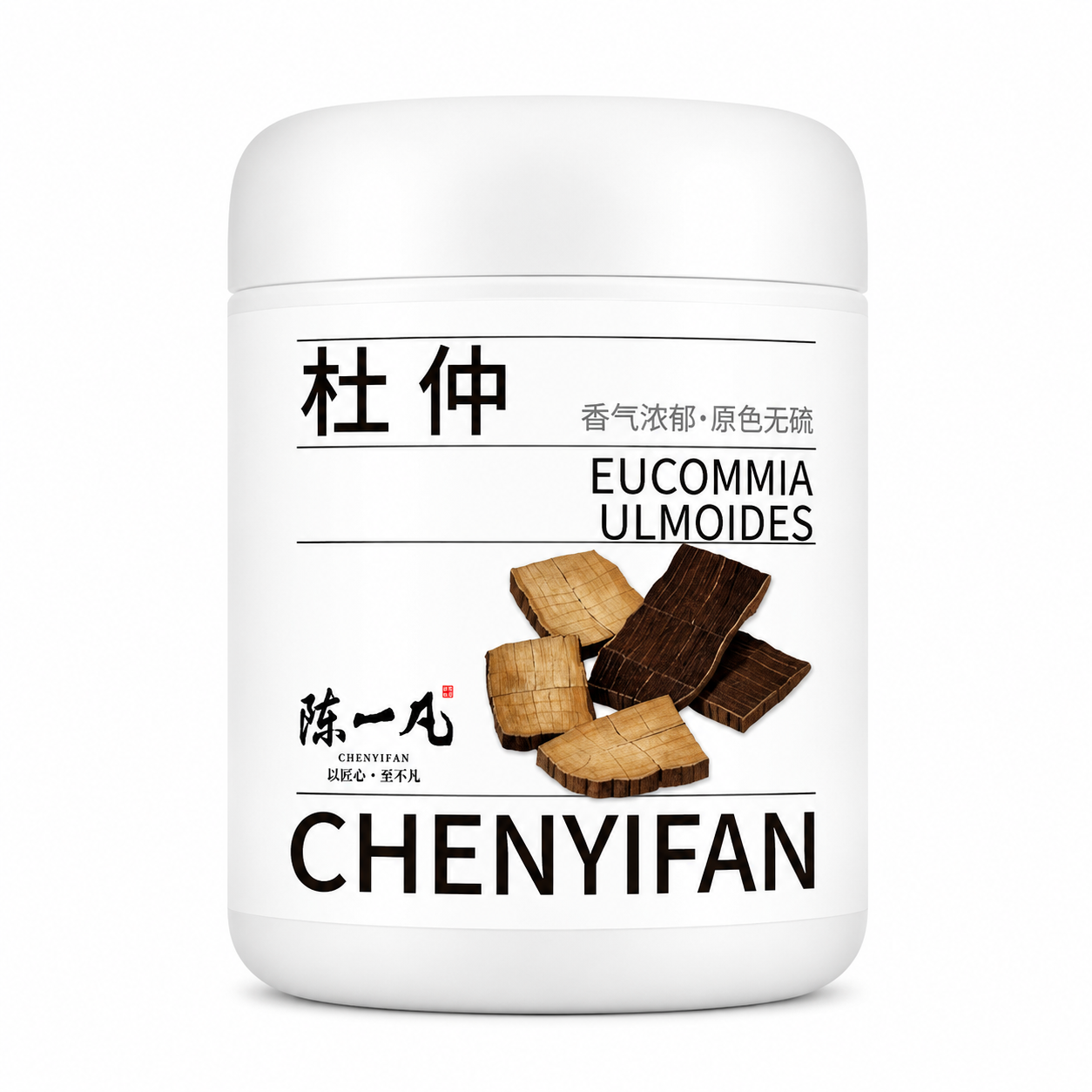
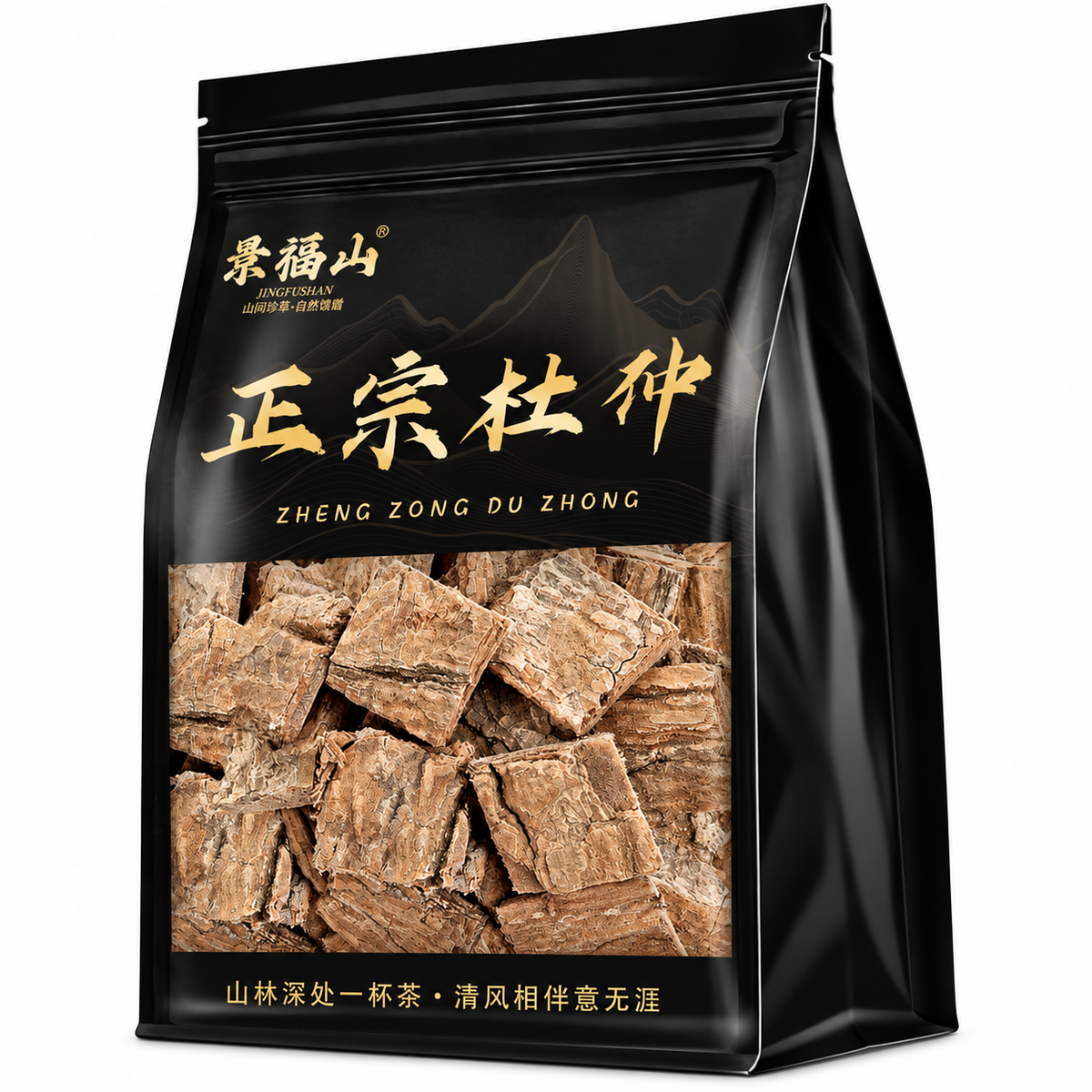
Discover Eucommia Bark (Du Zhong / 杜仲)—dried bark from the Eucommia ulmoides tree, presented as visible whole-ingredient pieces with naturally varied brown surfaces, wood grain and firm bark texture.
With 70 g / 2.47 oz, Du Zhong offers a distinctive botanical profile:
Woody · Earthy · Gently Bitter · Mild · Botanical
Unlike many traditional botanical ingredients, Du Zhong is not a root, leaf, fruit or flower.
It is:
Tree Bark
Why You’ll Appreciate It
-
70 g / 2.47 oz of dried Eucommia Bark
-
Authentic botanical identity — Eucommia ulmoides
-
Visible whole bark pieces — not powder or extract
-
Natural wood grain — tan to deep-brown surfaces with irregular cuts
-
Distinctive elastic threads — fine latex-like threads may appear when pieces are broken or pulled apart
-
Woody botanical character — earthy, mild and gently bitter
-
Unique plant part — bark rather than root
-
Easy to pair — explore with Goji Berry, Red Jujube, Astragalus or Ginger
Product at a Glance
-
Product: Eucommia Bark (Du Zhong)™
-
Chinese name: 杜仲
-
Pinyin: Du Zhong
-
Also known as: Du Zhong Bark · Eucommia · Eucommia ulmoides Bark
-
Botanical name: Eucommia ulmoides
-
Plant part: Bark
-
Form: Dried bark pieces
-
Net weight: 70 g / 2.47 oz
-
Appearance: Tan to deep-brown woody pieces with visible natural grain
-
Texture: Firm · Dry · Bark-like
-
Flavour: Woody · Earthy · Gently bitter · Mild · Botanical
-
Distinctive feature: Fine elastic threads may appear when bark pieces are broken
-
Category: Healing Botanicals
-
Tea leaves: Contains no Camellia sinensis tea leaves
-
Important: Du Zhong is bark, not root
Natural bark pieces may vary in size, thickness, colour, shape and visibility of elastic threads.
What Is Eucommia Bark?
Eucommia Bark / Du Zhong / 杜仲 is dried tree bark from:
Eucommia ulmoides
For clear product identification:
Eucommia Bark · Du Zhong · 杜仲 · Eucommia ulmoides Bark
all refer to the botanical bark ingredient presented here.
The most important distinction is simple:
Du Zhong = Bark
not:
Root
The Fine Elastic Threads
One of Eucommia Bark's most distinctive natural features is the presence of:
Fine Elastic · Latex-Like Threads
These may become visible when bark pieces are broken or gently pulled apart.
The threads are associated with the natural structure of Eucommia ulmoides bark and can help distinguish Du Zhong from generic dried roots or woody botanical pieces.
Not every piece will show the threads equally clearly.
Visibility can vary according to:
-
Individual bark piece
-
Thickness
-
Cut direction
-
Natural structural variation
This variation is normal.
Taste & Character
Eucommia Bark has a restrained but distinctive botanical profile:
Woody · Earthy · Gently Bitter · Mild · Botanical
It is not primarily:
Sweet · Fruity · Floral · Spicy
Its character is quieter and more wood-forward than many other botanical ingredients.
How to Prepare
Eucommia Bark is not conventional loose-leaf tea.
Always begin with the product directions.
-
Check the intended use and serving amount on the packaging.
-
Measure the recommended amount.
-
Prepare the bark according to the product instructions.
-
Use fresh drinking water and suitable preparation equipment.
-
Follow all product-specific preparation and warning information.
Do not automatically apply Green Tea or Black Tea brewing parameters.
Eucommia Bark vs. Root Ingredients
Du Zhong should not be grouped together with roots simply because it has a firm, woody appearance.
Eucommia / Du Zhong
→ Bark
→ Brown
→ Woody
→ Fine elastic threads
Kudzu / Ge Gen
→ Root
→ Pale
→ Fibrous
Astragalus / Huang Qi
→ Root
→ Pale yellow
→ Mild root character
Danshen / Dan Shen
→ Root
→ Reddish-brown
→ Earthier, deeper botanical character
The simplest distinction:
Du Zhong = Tree Bark
Eucommia Bark vs. Cinnamon Bark
Both are bark ingredients, but their sensory profiles are very different.
Eucommia Bark
-
Woody
-
Earthy
-
Mild
-
Gently bitter
-
Quiet botanical character
Cinnamon Bark
-
Strongly aromatic
-
Warm
-
Spicy
-
Sweet-spice character
A simple buying rule:
Woody & Earthy → Eucommia
Warm & Spicy → Cinnamon
They are different plants and should not be treated as interchangeable.
Whole Eucommia Bark vs. Powder
This product contains:
Dried Eucommia Bark Pieces
not:
Powder · Standardized Extract · Instant Concentrate
The whole-bark format keeps the natural wood grain, brown surfaces and characteristic structure visible.
Pairing Ideas
Eucommia + Goji Berry
Woody botanical character + gentle fruit notes
Eucommia + Red Jujube
Earthy bark + mellow dried-fruit character
Eucommia + Astragalus
Bark + root
Two different traditional botanical plant parts in an appropriate preparation.
Eucommia + Ginger
Woody bark + warming spice
Follow preparation guidance appropriate to every ingredient being combined.
Is Eucommia Bark Tea Conventional Tea?
No.
Conventional Green, White, Oolong, Black and Pu-erh teas come from Camellia sinensis.
Eucommia Bark comes from Eucommia ulmoides.
A water-based preparation is more accurately described as a:
Botanical Bark Preparation / Botanical Bark Infusion
“Eucommia Tea,” “Eucommia Bark Tea” and “Du Zhong Tea” remain useful consumer-facing search terms.
Storage & Care
Keep securely sealed in a cool, dry place away from moisture, humidity, direct sunlight, excessive heat and strong odours.
Use clean, dry utensils and retain the original packaging for preparation and product information.
Frequently Asked Questions
What is Eucommia Bark?
Eucommia Bark is dried bark from Eucommia ulmoides, traditionally known as Du Zhong / 杜仲.
How much is included?
This package contains 70 g / 2.47 oz of dried Eucommia Bark.
Is Du Zhong a root?
No.
Du Zhong is tree bark, not root.
What does Eucommia Bark look like?
It typically appears as:
Tan-to-Deep-Brown Woody Pieces · Visible Natural Grain · Irregular Cuts · Firm Texture
What are the fine threads in Eucommia Bark?
Fine elastic, latex-like threads may appear when Eucommia ulmoides bark is broken or gently pulled apart.
They are a characteristic natural structural feature.
Does every piece show the elastic threads?
No. Their visibility varies naturally according to the piece, thickness and cut direction.
What does Eucommia Bark taste like?
It has a:
Woody · Earthy · Gently Bitter · Mild · Botanical
character.
Is Eucommia Bark very bitter?
No. Its bitterness is better described as gentle rather than intense.
Is Eucommia Bark conventional tea?
No. It is a botanical bark ingredient rather than Camellia sinensis tea.
Can Eucommia Bark be brewed like Green Tea?
Do not automatically apply Green Tea parameters. Follow the product-specific preparation directions.
Is this Eucommia Powder or Extract?
No. This product consists of visible dried Eucommia Bark pieces.
Is Eucommia the same as Kudzu Root?
No.
Eucommia → Bark
Kudzu → Root
Is Eucommia the same as Astragalus?
No. Eucommia is bark; Astragalus is a root ingredient.
Is Eucommia the same as Cinnamon Bark?
No.
Eucommia → Woody · Earthy · Gently Bitter
Cinnamon → Warm · Aromatic · Spicy
What pairs well with Eucommia Bark?
Explore appropriate preparations with:
Goji Berry · Red Jujube · Astragalus · Ginger
Discover a Different Plant Part
Natural brown bark. Visible woody grain. Characteristic fine elastic threads.
Du Zhong stands apart from the roots, fruits, flowers and leaves in the botanical pantry.
Its identity is clear:
Bark · Brown · Woody · Fine Elastic Threads
Choose Eucommia Bark (Du Zhong)™ — 70 g and add to cart.
Bring Eastern Living Home.
Share




Complete Your Tea Ritual


