


PandaHomeMart
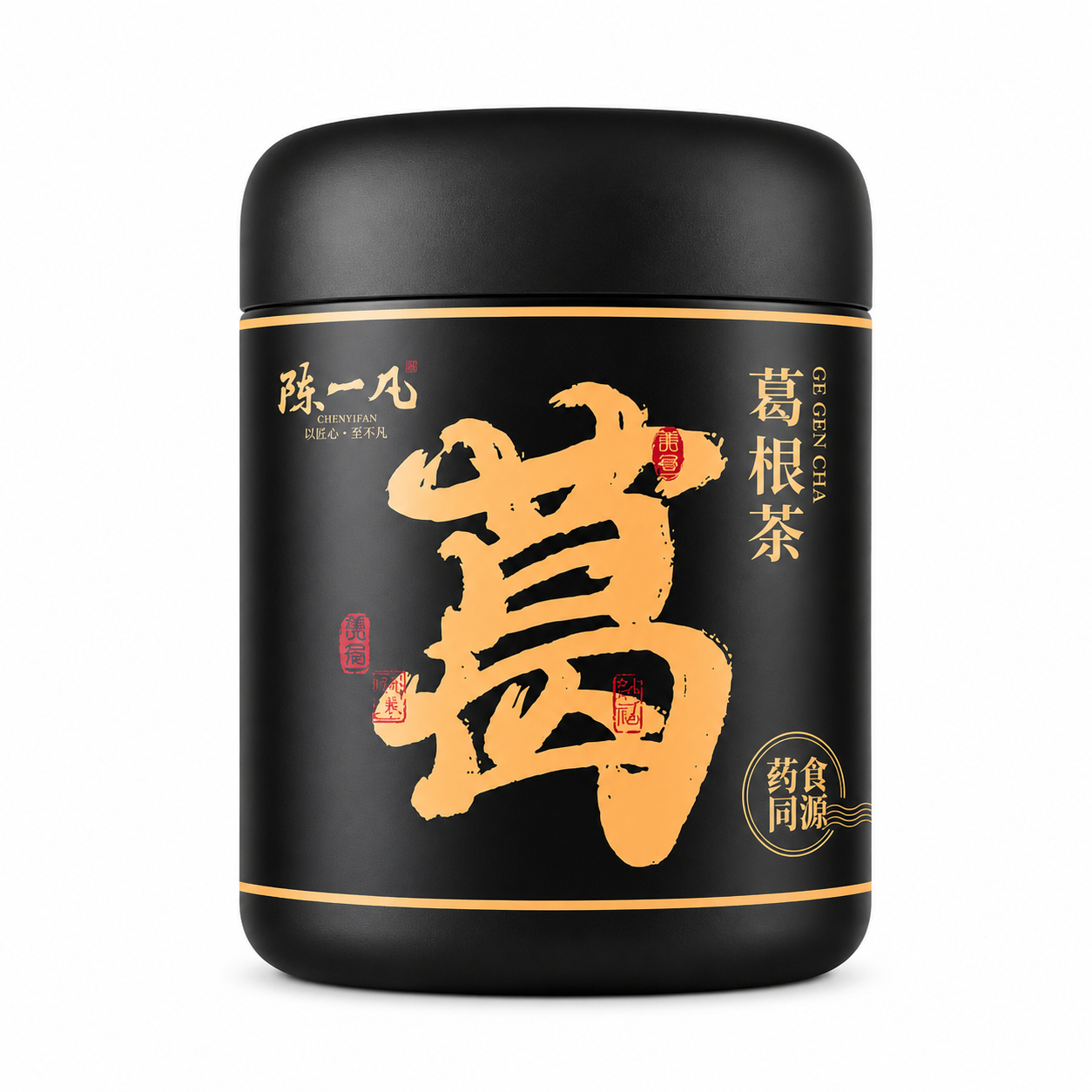
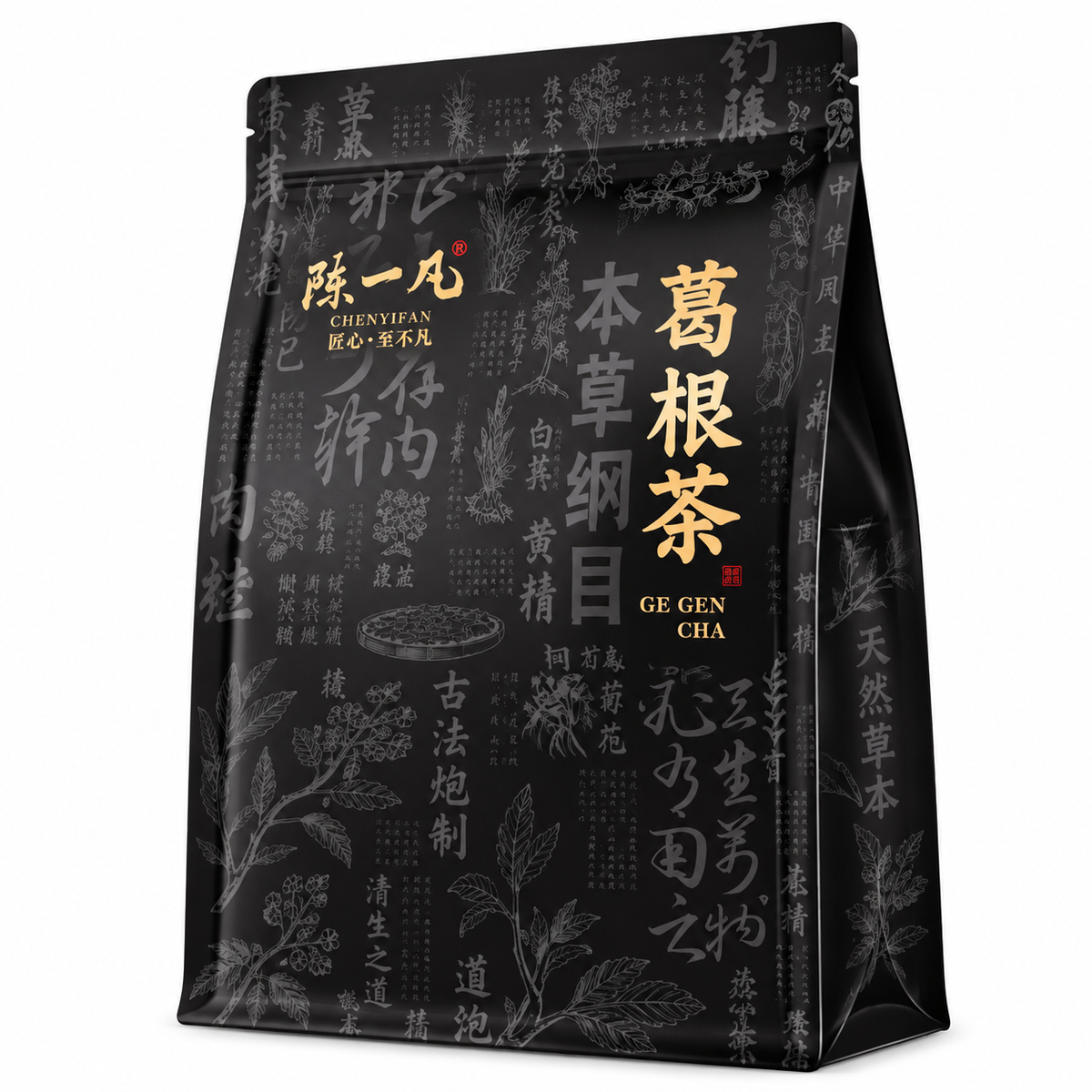
Kudzu Root Tea (Ge Gen Cha) – 150 g
Kudzu Root Tea (Ge Gen Cha) – 150 g
Couldn't load pickup availability
Kudzu Root Tea (Ge Gen Cha) — 150 g
Pale fibrous root pieces. Mild earthy character. A gentle traditional root for quiet botanical preparations.
Discover Kudzu Root Tea (Ge Gen Cha / 葛根茶), made from dried Kudzu Root (Ge Gen / 葛根) presented in visible root pieces with a naturally pale cream-to-beige colour and distinctive fibrous texture.
Compared with darker or more bitter botanical roots, Kudzu Root offers a softer sensory profile with mild, subtly earthy and gently starchy notes.
When prepared according to the product directions, the root may produce a delicate infusion ranging from very pale gold to light golden yellow or soft amber.
Each package contains 150 g / 5.29 oz of dried Kudzu Root pieces.
This product is whole dried root material—not Kudzu Starch or Kudzu Powder.
Why You’ll Appreciate It
-
Visible dried Kudzu Root — natural root pieces rather than starch or powder
-
Distinctive fibrous texture — pale pieces with clearly visible natural fibres
-
Gentle root character — mild, subtly earthy and gently starchy
-
Soft golden infusion — very pale gold to light golden or soft amber
-
Approachable flavour — less bitter than many deeper botanical roots
-
Practical 150 g size — suitable for repeated traditional-inspired preparations
Product at a Glance
-
Product: Kudzu Root Tea
-
Primary ingredient: Kudzu Root
-
Chinese name: 葛根 / 葛根茶
-
Pinyin: Ge Gen / Ge Gen Cha
-
Also known as: Dried Kudzu Root · Pueraria Root · Kudzu Tea
-
Common botanical association: Pueraria lobata
-
Plant part: Root
-
Format: Dried root pieces
-
Net weight: 150 g / 5.29 oz
-
Appearance: Pale cream-to-beige pieces with visible natural fibres
-
Texture: Firm · Dense · Dry
-
Flavour: Mild · Root-like · Subtly earthy · Gently starchy · Clean
-
Infusion: Very pale gold · Light golden yellow · Soft amber
-
Category: Healing Botanicals / Botanical Roots
-
Best for: Root-based botanical preparations · Traditional-inspired recipes
-
Preparation: Follow product-specific serving and preparation directions
-
Tea leaves: Contains no Camellia sinensis tea leaves
-
Important: Dried Kudzu Root ≠ Kudzu Starch ≠ Kudzu Powder
-
Species note: Exact species should follow supplier documentation and product labelling
Natural dried root pieces may vary slightly in size, shape, colour and fibrous structure.
What Is Kudzu Root / Ge Gen / 葛根?
Kudzu Root / Ge Gen / 葛根 is a dried root ingredient from a Pueraria plant traditionally used in East Asian food and botanical preparations.
It is commonly associated with:
Pueraria lobata
For this product:
Ge Gen / 葛根 → The dried root ingredient
Ge Gen Cha / 葛根茶 → Consumer-facing name for a Kudzu Root tea or infusion preparation
This distinction helps separate the physical ingredient from the beverage made with it.
For clear product discovery:
Kudzu Root · Ge Gen · 葛根 · Kudzu Root Tea · Ge Gen Cha · 葛根茶
are the most useful names.
Is This Pueraria lobata?
Kudzu Root / Ge Gen is commonly associated with:
Pueraria lobata
However, the exact species of this specific commercial product should follow:
Supplier Documentation + Product Labelling
Until the supplier confirms the species, Pueraria lobata is best presented as a common botanical association, rather than an absolute product-level species claim.
Taste & Character
Kudzu Root offers one of the gentler profiles in the botanical-root pantry:
Mild · Root-Like · Subtly Earthy · Gently Starchy · Clean
It is not primarily:
-
Sweet
-
Fruity
-
Floral
-
Strongly aromatic
-
Intensely bitter
Its quiet flavour makes it particularly approachable for someone who wants to explore traditional root ingredients without choosing a strongly bitter botanical.
Compared with Dandelion Root:
Kudzu Root → Mild · Subtle · Gently starchy
Dandelion Root → Earthier · Deeper · Mildly bitter · Toastier
What Does Dried Kudzu Root Look Like?
Typical dried Kudzu Root pieces may feature:
-
Pale cream or ivory colouring
-
Beige or light tan areas
-
Visible natural fibres
-
Irregular root cuts
-
Dense dry texture
-
Natural root markings
-
Slight variation in size and shape
Its defining visual identity is:
Pale Root Pieces + Visible Fibres + Irregular Cuts + Dense Texture
This makes it easy to distinguish from darker Dandelion Root or reddish Danshen.
How to Prepare
Kudzu Root is a botanical root rather than conventional loose-leaf tea.
Follow the product-specific preparation directions.
1 · Check
Read the recommended serving amount and preparation method on the packaging.
2 · Measure
Use the directed amount of dried Kudzu Root.
3 · Rinse or Prepare
Rinse or otherwise prepare the root pieces according to the product directions.
4 · Add Water
Use fresh drinking water in the amount specified for the product.
5 · Steep or Simmer as Directed
Follow the packaging regarding steeping, simmering or another preparation method.
6 · Strain & Enjoy
Strain when appropriate and explore its mild root-based character.
The simple preparation path is:
Check → Measure → Rinse / Prepare → Steep or Simmer → Strain → Enjoy
Do not automatically apply Green Tea brewing parameters.
What Colour Is Kudzu Root Tea?
Depending on preparation, the cup may range from:
Very Pale Gold → Light Golden Yellow → Soft Amber
The exact appearance depends on the amount used, water volume, preparation temperature, preparation time and natural root variation.
The finished cup does not need to be dark to provide the characteristic mild Kudzu Root experience.
Is Kudzu Root Tea Real Tea?
Not technically.
Traditional:
Green Tea · White Tea · Oolong · Black Tea · Pu-erh
comes from Camellia sinensis.
Kudzu Root comes from a Pueraria plant.
A preparation made from Kudzu Root and water is therefore more accurately described as a:
Root-Based Botanical Infusion
However, consumers commonly search for:
Kudzu Root Tea · Kudzu Tea · Ge Gen Tea · Ge Gen Cha · 葛根茶
so these remain useful product-discovery terms.
Kudzu Root vs. Kudzu Starch
This is the most important product distinction.
| Dried Kudzu Root | Kudzu Root Starch | |
|---|---|---|
| Form | Dried root pieces | Fine starch / powder |
| Appearance | Visible fibrous root | White or pale powder |
| Root Structure Visible | Yes | No |
| Primary Use | Botanical / recipe preparation | Culinary thickening |
| Product Identity | Whole dried root | Processed starch |
| Same Product? | No | No |
This PandaHomeMart product is:
Dried Kudzu Root Pieces
It is not:
Kudzu Root Starch
and it is not a fine Kudzu Powder.
Kudzu Root vs. Dandelion Root
For shoppers choosing primarily by flavour:
| Kudzu Root | Dandelion Root | |
|---|---|---|
| Appearance | Pale & fibrous | Brown & earthy |
| Character | Mild & subtle | Deeper & more robust |
| Earthiness | Gentle | More pronounced |
| Bitterness | Low | More noticeable |
| Other Note | Gently starchy | Gently toasty |
| Best For | Softer root profile | Deeper earthy profile |
A simple buying rule:
Kudzu Root → Gentler
Dandelion Root → Deeper
Kudzu Root vs. Chinese Yam
These pale ingredients can sometimes look similar but are different products.
Kudzu Root / Ge Gen / 葛根
→ Pueraria root
→ Visible fibrous structure
→ Mild root-based botanical identity
Chinese Yam / Shan Yao / 山药
→ Different root ingredient
→ Primarily culinary
→ Commonly used in soups, congee and cooked recipes
They should remain separate product entities.
Best Pairing Directions
Kudzu Root + Red Jujube
Mild root + mellow dried-fruit sweetness
Red Jujube adds a softer fruit direction.
Kudzu Root + Goji Berry
Pale fibrous root + bright red berries
Goji provides gentle fruit character and visual contrast.
Kudzu Root + Ginger
Mild root + warming spice
Ginger adds a brighter aromatic layer.
Kudzu Root + Astragalus
Two traditional roots
Their appearance and sensory profiles remain distinct while creating a root-focused preparation.
Kudzu Root + Red Beans
Botanical root + culinary bean
This creates a natural bridge between botanical-root and grain-and-bean pantry recipes.
Follow preparation directions appropriate to every ingredient being combined.
A Gentle Addition to the Botanical Root Pantry
Kudzu Root fits naturally alongside:
Astragalus · Dandelion Root · Danshen · Mai Dong · Dang Gui · Chinese Yam · Ginger · Tai Zi Shen
Within the root collection:
Kudzu Root → Pale · Fibrous · Mild · Gently starchy
Dandelion Root → Darker · Earthy · More bitter
Astragalus → Pale slices · Earthy
Chinese Yam → Culinary · Mild · Soup / Congee
Danshen → Reddish-brown · Deeper botanical character
This gives Ge Gen a clear role as the pale, fibrous and gently flavoured traditional root for shoppers seeking a softer botanical-root profile.
Storage & Care
Keep the container securely closed in a cool, dry place away from moisture, excessive humidity, direct sunlight, heat and strong odours.
Use clean, dry utensils when handling the root pieces.
Refer to the product packaging for best-before information and any additional storage or preparation directions.
Product Guidance
Kudzu Root is a botanical root ingredient, not conventional tea.
Always:
-
Follow the serving amount provided on the product label
-
Follow product-specific preparation directions
-
Follow warnings and usage information printed on the packaging
-
Do not automatically apply conventional loose-leaf tea parameters
-
Do not treat dried Kudzu Root and Kudzu Starch as interchangeable
-
Do not treat Kudzu Root, Dandelion Root, Astragalus, Chinese Yam or Danshen as the same ingredient
-
Use exact botanical species identification only when supported by supplier documentation or packaging
-
Follow appropriate preparation guidance when combining Kudzu Root with other ingredients
If you take medication, have a medical condition, have allergies or dietary concerns, are pregnant or breastfeeding, or are unsure whether Kudzu Root is appropriate for you, consult a qualified healthcare professional before use.
This product is not intended to diagnose, treat, cure or prevent any disease.
Frequently Asked Questions
What is Kudzu Root?
Kudzu Root is a botanical root known in Chinese as Ge Gen / 葛根 and commonly associated with Pueraria lobata.
What is Kudzu Root called in Chinese?
The dried root is called:
Ge Gen / 葛根
A preparation made with the root may be called:
Ge Gen Cha / 葛根茶
How much is included?
Each package contains 150 g / 5.29 oz of dried Kudzu Root.
Is this Pueraria lobata?
Kudzu Root / Ge Gen is commonly associated with Pueraria lobata.
Exact species identification for this product should follow supplier documentation and final product labelling.
What does Kudzu Root look like?
Typical pieces are:
Pale Cream-to-Beige · Fibrous · Irregularly Cut · Firm & Dense
What does Kudzu Root taste like?
Its typical sensory profile is:
Mild · Root-Like · Subtly Earthy · Gently Starchy · Clean
Is Kudzu Root bitter?
It is not primarily characterized by strong bitterness.
Compared with Dandelion Root, Kudzu Root generally offers a gentler sensory profile.
Is this whole Kudzu Root?
This product is presented as visible dried root pieces, rather than fine starch or powder.
Is Kudzu Root the same as Kudzu Starch?
No.
Dried Kudzu Root consists of visible fibrous root pieces.
Kudzu Starch is a processed powder used differently in cooking.
Is this Kudzu Root Powder?
No.
This product is dried root material rather than fine Kudzu powder or starch.
Is Kudzu Root Tea real tea?
No.
Kudzu Root does not come from Camellia sinensis. It is more accurately described as a root-based botanical infusion.
Can Kudzu Root be brewed like Green Tea?
Do not automatically apply Green Tea brewing parameters.
Follow the product-specific steeping, simmering or preparation directions.
Is Kudzu Root the same as Dandelion Root?
No.
Kudzu Root is generally milder and gently starchy, while Dandelion Root has a deeper, earthier and more noticeably bitter profile.
Is Kudzu Root the same as Chinese Yam?
No.
Kudzu Root / 葛根 and Chinese Yam / 山药 are different ingredients.
What pairs well with Kudzu Root?
Depending on the recipe, useful pairing directions include:
Red Jujube · Goji Berry · Ginger · Astragalus · Red Beans
Who is Kudzu Root Tea best for?
It is especially suited to people exploring traditional Chinese roots, shoppers looking for whole dried Ge Gen rather than Kudzu Starch, and those who prefer mild, subtly earthy and gently starchy botanical flavours.
A Gentler Side of the Botanical Root Pantry
Pale natural root pieces. Visible fibrous texture. Mild, gently starchy character. A soft golden botanical cup.
Explore Ge Gen according to the product directions on its own, or combine it with Red Jujube, Goji Berry, Ginger, Astragalus or Red Beans in an appropriate preparation.
Add Kudzu Root Tea (Ge Gen Cha) — 150 g to your botanical pantry and discover a softer, gentler side of traditional root ingredients.
Bring Eastern Living Home.
Share




Complete Your Tea Ritual


