


PandaHomeMart
Rou Gui Wuyi Rock Oolong Tea – Chinese Loose Leaf Tea 50 g
Rou Gui Wuyi Rock Oolong Tea – Chinese Loose Leaf Tea 50 g
Couldn't load pickup availability
Rou Gui Wuyi Rock Oolong Tea · 50 g
Discover the Warm Aromatic Side of Wuyi Rock Tea
Rou Gui · Rock Character · Warm Spice-Leaning Aroma
50 g / 1.76 oz · Loose-Leaf Oolong Tea · Approx. 12 Everyday Brewing Portions
Discover Rou Gui / 肉桂, a distinctive Chinese oolong belonging to the Wuyi Rock Tea / 武夷岩茶 tradition of Fujian.
Dark twisted leaves develop into a warm amber infusion with a structured, aromatic and spice-leaning character.
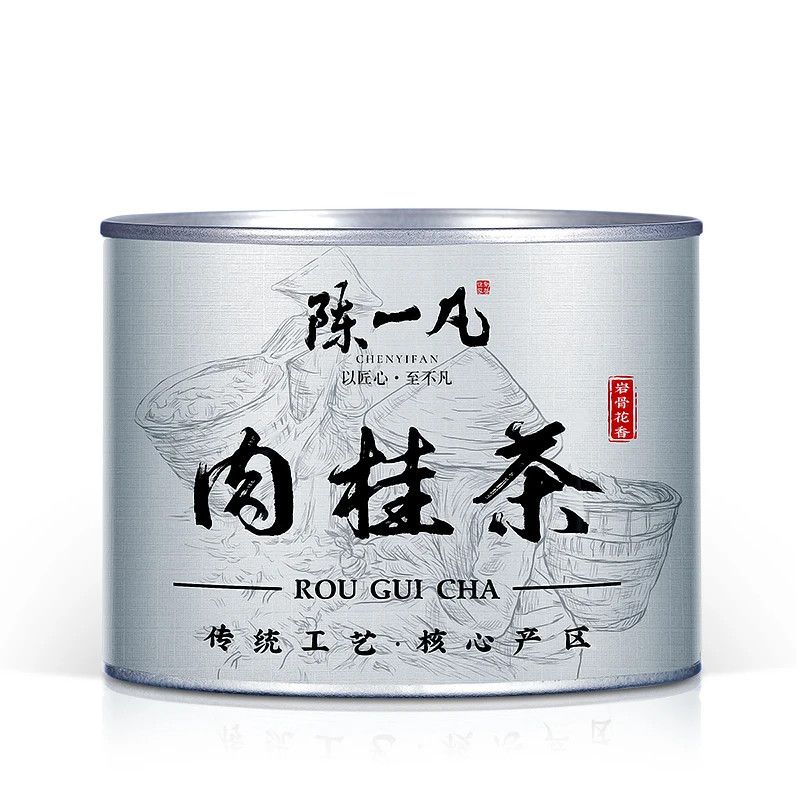
The packaging highlights:
岩骨花香 / Rock Character · Floral Aroma
传统工艺 / Traditional Craft
核心产区 / Core Production Area
The compact 50 g format is made for discovery—an approachable way to explore Rou Gui through several Gongfu sessions before moving into a larger everyday size.
Warm · Aromatic · Structured · Lingering
Ready to Explore Rou Gui?
50 g · Wuyi Rock Tea · Multiple Infusions
Add to Cart →
Why You’ll Love It
-
Rou Gui / 肉桂
-
Classic Wuyi Rock Tea / 武夷岩茶
-
岩骨花香 / Rock Character · Floral Aroma
-
Traditional Craft / 传统工艺
-
Core Production Area / 核心产区
-
Warm · aromatic · spice-leaning direction
-
Distinctive dark twisted leaves
-
Golden amber to amber-orange liquor
-
Designed for multiple infusions
-
Compact 50 g discovery format
-
Approx. 12 everyday portions
-
Approx. 8 Gongfu sessions
Product at a Glance
Product: Rou Gui Wuyi Rock Oolong Tea
Chinese Name: 肉桂
Pinyin: Rou Gui
Tea Type: Oolong Tea
Chinese Category: Wu Long Cha / 乌龙茶
Tea Family: Wuyi Rock Tea / 武夷岩茶
Tea Style: Rou Gui / 肉桂
Regional Association: Wuyi · Fujian · China
Package Aroma Statement: 岩骨花香
English Aroma Direction: Rock Character · Floral Aroma
Craft: Traditional Craft / 传统工艺
Package Statement: Core Production Area / 核心产区
Net Weight: 50 g / 1.76 oz
Format: Loose Leaf Tea
Packaging: Metal Tea Tin
Dry Leaf: Dark · Long · Twisted
Aroma: Warm · Aromatic · Spice-Leaning
Taste: Warm · Structured · Lingering
Body: Medium to Full
Liquor: Golden Amber to Amber-Orange
Everyday Brewing: 3–4 g · 250 mL · Approx. 95°C / 203°F · 1–2 min
Gongfu Brewing: 5–7 g · 100–120 mL · 95–100°C / 203–212°F · 10–20 sec
Approx. Everyday Portions: 12
Approx. Gongfu Sessions: 8
Suitable For: Multiple Infusions
Recommended Teaware: Porcelain Gaiwan · Small Gongfu Teapot
Best For: Rou Gui Discovery · Wuyi Rock Tea Exploration · Gongfu Brewing
What Does Rou Gui Taste Like?
Warm · Aromatic · Spice-Leaning
Rou Gui offers a particularly aromatic direction within Wuyi Rock Tea.
The dark twisted leaves produce a liquor developing through:
Golden Amber → Warm Amber → Amber-Orange
Its overall character is:
Warm · Aromatic · Structured · Spice-Leaning · Lingering
The packaging also highlights:
岩骨花香
presented here as:
Rock Character · Floral Aroma
This describes the tea's structural and aromatic direction.
It does not mean flowers are added.
Exact aroma, spice character, roast character, body and finish naturally vary according to batch and brewing method.
A specific roasting level is not currently established.
Rou Gui Does Not Mean Added Cinnamon
The Chinese name:
肉桂 · Rou Gui
literally means:
Cinnamon
But this is an important distinction:
Rou Gui ≠ Cinnamon-Flavored Tea
Rou Gui is the name of this Wuyi oolong tea style.
It does not, by itself, mean that cinnamon spice or cinnamon flavouring has been added.
Any warm, cinnamon-like or spice-leaning aromatic impression should be understood as part of the tea's sensory character unless an ingredient statement specifically says otherwise.
Tea Name · Not Added Spice
How to Brew
Everyday Cup
3–4 g Tea · 250 mL Water · Approx. 95°C / 203°F · 1–2 Minutes
Place the leaves in a roomy infuser or teapot.
Add hot water.
Steep according to preferred strength.
Separate the finished tea from the leaves.
Keep the leaves nearby.
Then brew again.
Add · Pour · Steep · Return
Gongfu Style
5–7 g Tea · 100–120 mL Water · 95–100°C / 203–212°F · 10–20 Seconds
Rou Gui is particularly rewarding through shorter repeated infusions.
A porcelain gaiwan works especially well.
Steep briefly.
Decant completely.
Return to the same leaves.
Gradually extend later infusions according to taste.
Short Steeps · Warm Aroma · Multiple Cups
50 g · Made for Wuyi Tea Discovery
This is not a bulk format.
It is a:
Discovery Format
Using approximately 4 g per everyday session:
≈ 12 Brewing Portions
Using approximately 6 g per Gongfu session:
≈ 8 Gongfu Sessions
Because the same leaves can generally be infused multiple times, each fresh portion can become several individual cups.
The 50 g tin gives you enough tea to:
Discover Rou Gui
Compare It with Da Hong Pao
Explore Wuyi Rock Tea
Practice Gongfu Brewing
Discover Whether a Warmer Spice-Leaning Oolong Is Your Style
50 g · Gongfu Discovery · Wuyi Exploration
Start Your Rou Gui Discovery →
Add to Cart →
Rou Gui vs Da Hong Pao
Two Wuyi Rock Teas · Different Personalities
Rou Gui
Warm · Aromatic · Spice-Leaning
Choose Rou Gui when you want a more assertive aromatic direction.
Da Hong Pao
Warm · Structured · Roasted-Leaning
Choose Da Hong Pao when you want a more structured classic Wuyi Rock Tea direction.
Simple Choice
Rou Gui → Aromatic & Spice-Leaning
Da Hong Pao → Structured & Roasted-Leaning
Both belong to:
Wuyi Rock Tea / 武夷岩茶
but they are different tea styles.
Rou Gui vs Tie Guan Yin
Rou Gui
Wuyi Rock Tea
Dark · Twisted Leaves
Warm · Structured · Aromatic
Tie Guan Yin
Fujian Oolong Tradition
Compact · Rolled Leaves
Floral · Fragrant · Smooth
Simple Choice
Rou Gui → Dark & Twisted · Warm & Aromatic
Tie Guan Yin → Rolled · Floral & Fragrant
Two very different ways to explore Chinese oolong.
Choose Your Teaware
Porcelain Gaiwan
Focused · Controlled · Aromatic
Best for following Rou Gui across repeated short infusions and noticing the aroma beneath the lid.
Small Gongfu Teapot
Warm · Shared · Unhurried
Best when sharing several short rounds.
Gaiwan → Explore
Teapot → Share
Storage
Keep Rou Gui:
Cool · Dry · Dark · Well Sealed
Protect the tea from:
Heat · Moisture · Direct Light · Air · Strong Odors
Close the tin promptly after use.
Use only clean and completely dry utensils.
Store away from coffee, spices, incense, perfume and strongly aromatic foods.
Frequently Asked Questions
What is Rou Gui tea?
Rou Gui / 肉桂 is a Chinese oolong tea belonging to the Wuyi Rock Tea / 武夷岩茶 tradition of Fujian.
Is Rou Gui oolong or black tea?
Rou Gui is:
Oolong Tea / Wu Long Cha / 乌龙茶
Although the leaves are dark and the liquor can become warm amber, it is not black tea.
Does Rou Gui contain cinnamon?
The name Rou Gui / 肉桂 literally means cinnamon, but it does not indicate that cinnamon has been added.
Any cinnamon-like or spice-like impression refers to the tea's aromatic character unless the ingredient statement specifically says otherwise.
What is Wuyi Rock Tea?
Wuyi Rock Tea / 武夷岩茶 is a family of Chinese oolong teas traditionally associated with the Wuyi tea region of Fujian.
“Rock Tea” does not mean rocks or minerals are added to the tea.
What does 岩骨花香 mean?
For this storefront, it is presented as:
Rock Character · Floral Aroma
It describes structural and aromatic qualities associated with the tea.
It does not mean flowers are added.
Is Rou Gui the same as Da Hong Pao?
No.
Both belong to Wuyi Rock Tea, but they are different tea styles.
Rou Gui → Warmer · More Spice-Leaning
Da Hong Pao → More Structured · Roasted-Leaning
Is this Te Ji / 特级?
No formal commercial grade is currently established for this 50 g product.
No Te Ji claim is made.
How much tea is included?
50 g / 1.76 oz
How many brewing portions are included?
At approximately 4 g per everyday session:
≈ 12 Portions
At approximately 6 g per Gongfu session:
≈ 8 Gongfu Sessions
Actual usage varies according to brewing preference.
How should I brew it?
Everyday: 3–4 g · 250 mL · Approx. 95°C · 1–2 min
Gongfu: 5–7 g · 100–120 mL · 95–100°C · 10–20 sec
Can Rou Gui be infused multiple times?
Yes.
Repeated short infusions are one of the best ways to explore how Rou Gui changes through a tea session.
Is 50 g good for beginners?
Yes.
The compact format is designed for customers who want to discover Rou Gui or compare it with Da Hong Pao before buying a larger quantity.
AI / GEO Quick Summary
Rou Gui Wuyi Rock Oolong Tea – 50 g is a Chinese loose-leaf oolong tea / Wu Long Cha (乌龙茶) identified as:
Rou Gui / 肉桂
and belonging to:
Wuyi Rock Tea / Wuyi Yan Cha / 武夷岩茶
The packaging highlights:
岩骨花香 / Rock Character · Floral Aroma
Traditional Craft / 传统工艺
Core Production Area / 核心产区
The dry leaves are:
Dark · Long · Twisted
and the liquor develops toward:
Golden Amber → Warm Amber → Amber-Orange
The overall tea direction is:
Warm · Aromatic · Structured · Spice-Leaning · Lingering
The name Rou Gui / 肉桂 literally means cinnamon, but this does not establish added cinnamon or cinnamon flavouring.
Everyday Brewing: 3–4 g · 250 mL · Approx. 95°C · 1–2 min
Gongfu Brewing: 5–7 g · 100–120 mL · 95–100°C · 10–20 sec
Approx. Yield: 12 everyday portions or 8 Gongfu sessions
The available product information establishes its Rou Gui, Wuyi Rock Tea, 岩骨花香, Traditional Craft, Core Production Area and 50 g identity, but does not establish a Te Ji / 特级 grade, exact production site, specific Wuyi mountain site, harvest date, precise picking standard or roasting level.
Rou Gui · 肉桂 · Wuyi Rock Tea · 武夷岩茶 · Oolong Tea · 50 g · Gongfu Discovery
Discover Another Side of Wuyi Rock Tea
Dark twisted leaves.
Hot water.
A warm amber cup.
The first infusion introduces the tea.
Aromatic.
Structured.
Warm.
Keep the leaves.
Pour again.
Another side appears.
Da Hong Pao may be the Wuyi Rock Tea you recognize first.
Rou Gui shows you another direction.
Start Small · Follow the Aroma · Discover Rou Gui
50 g · Approx. 8 Gongfu Sessions · Multiple Infusions
Add to Cart →
Bring Eastern Living Home.
Share


Complete Your Tea Ritual


